READ INFO: STRATEGIC_ANALYSIS
Strategic Plot Deconstruction (Scene‑by‑Scene)
Opening Gambit: Arrival at Advanced Nurturing High School
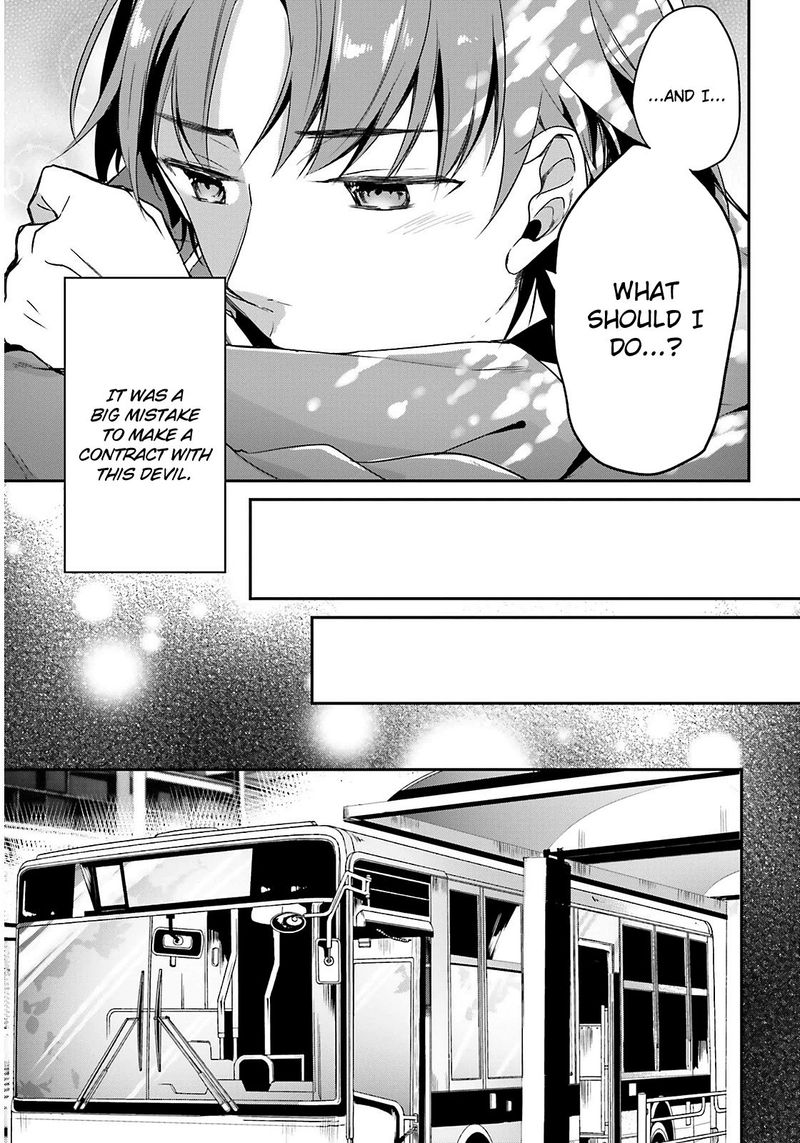
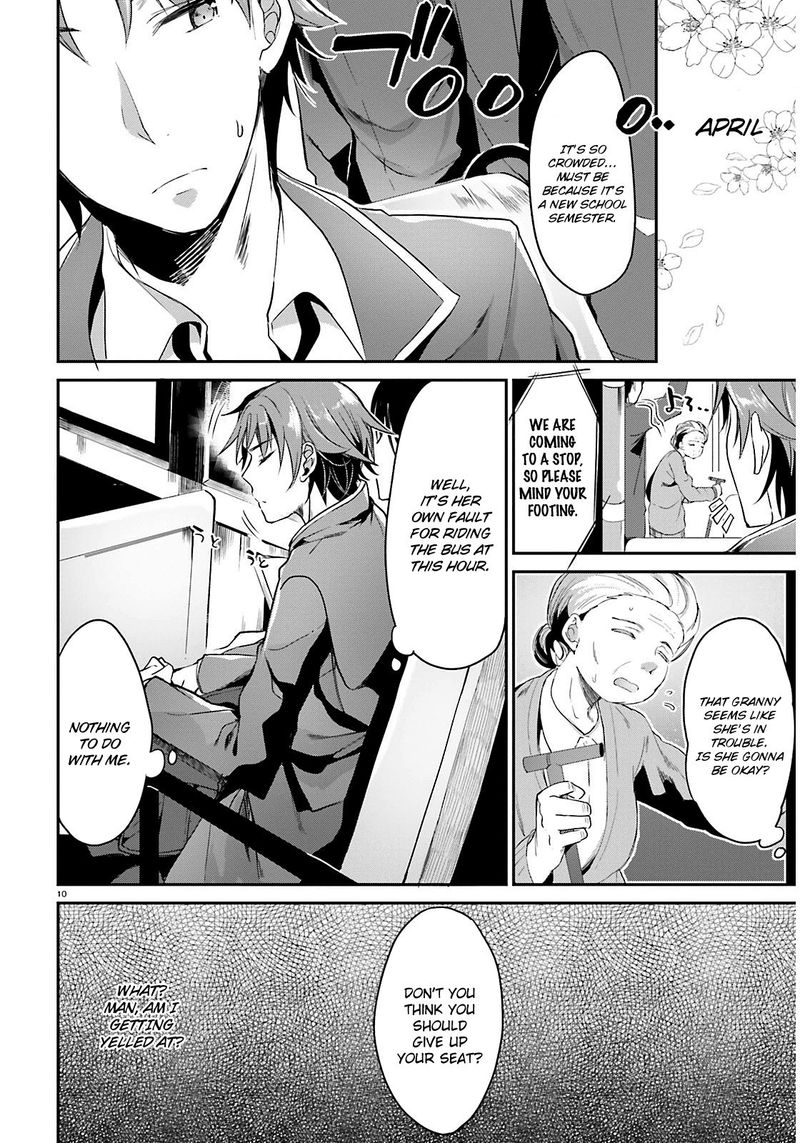
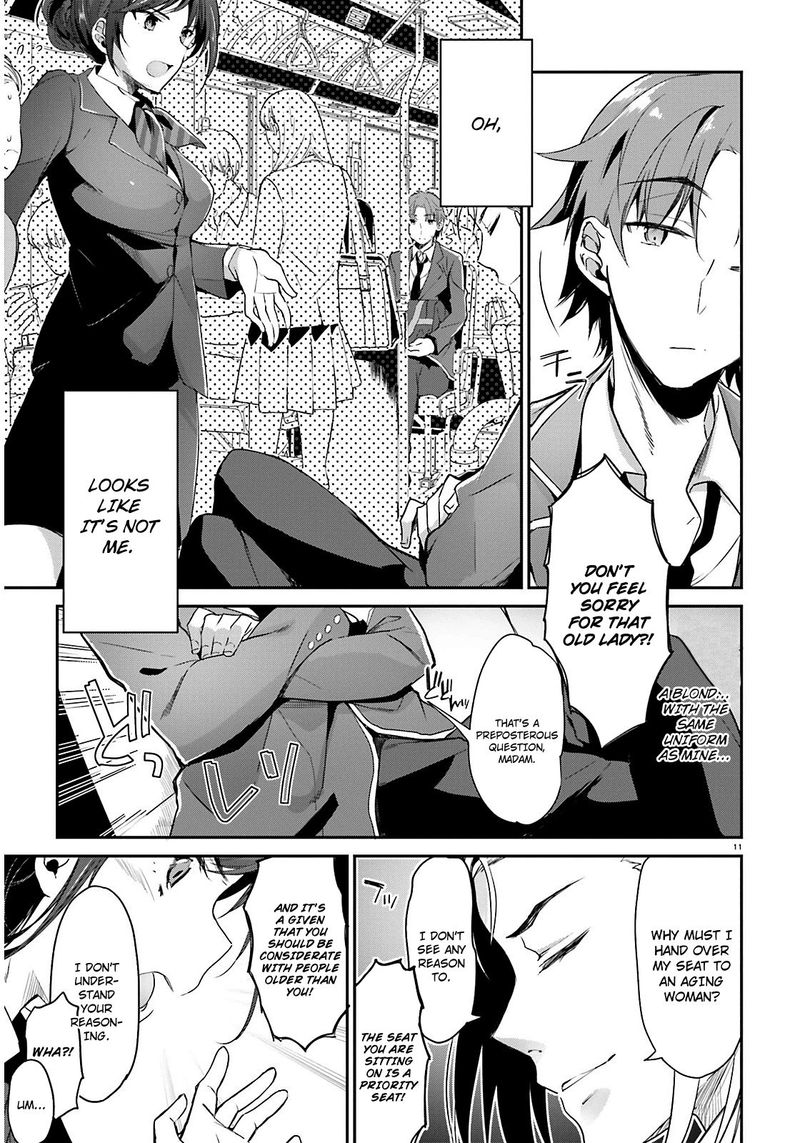
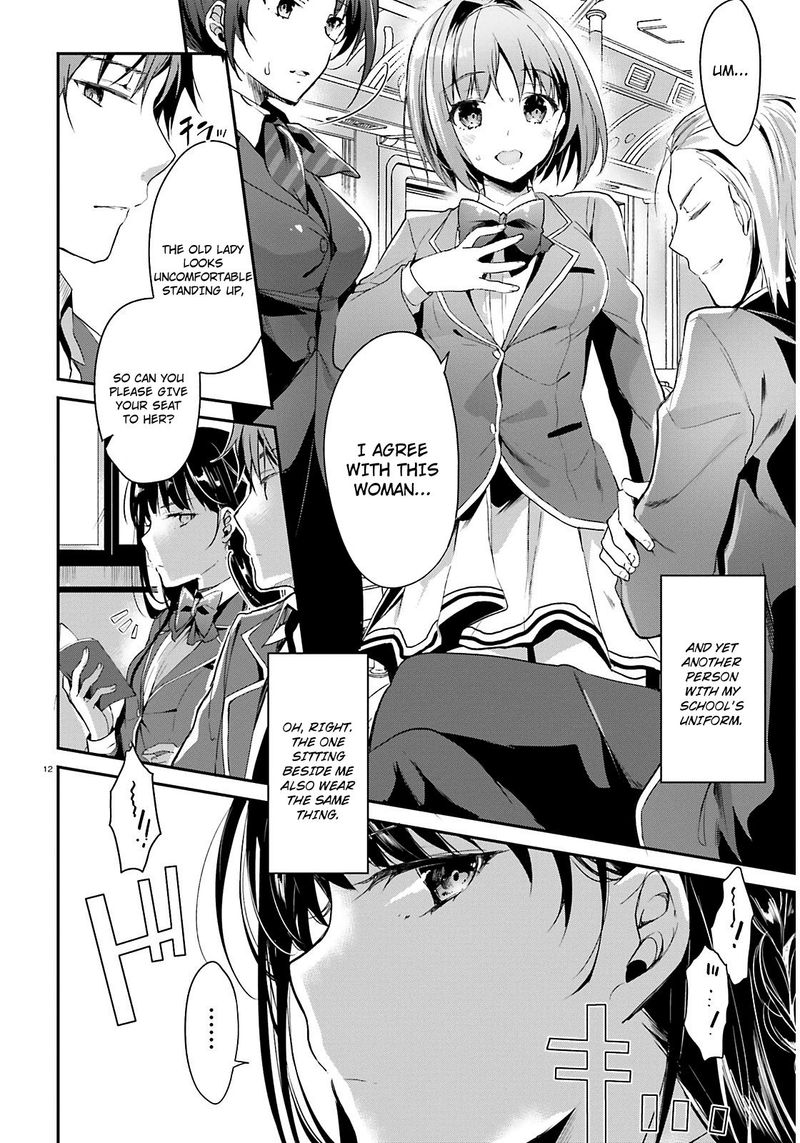
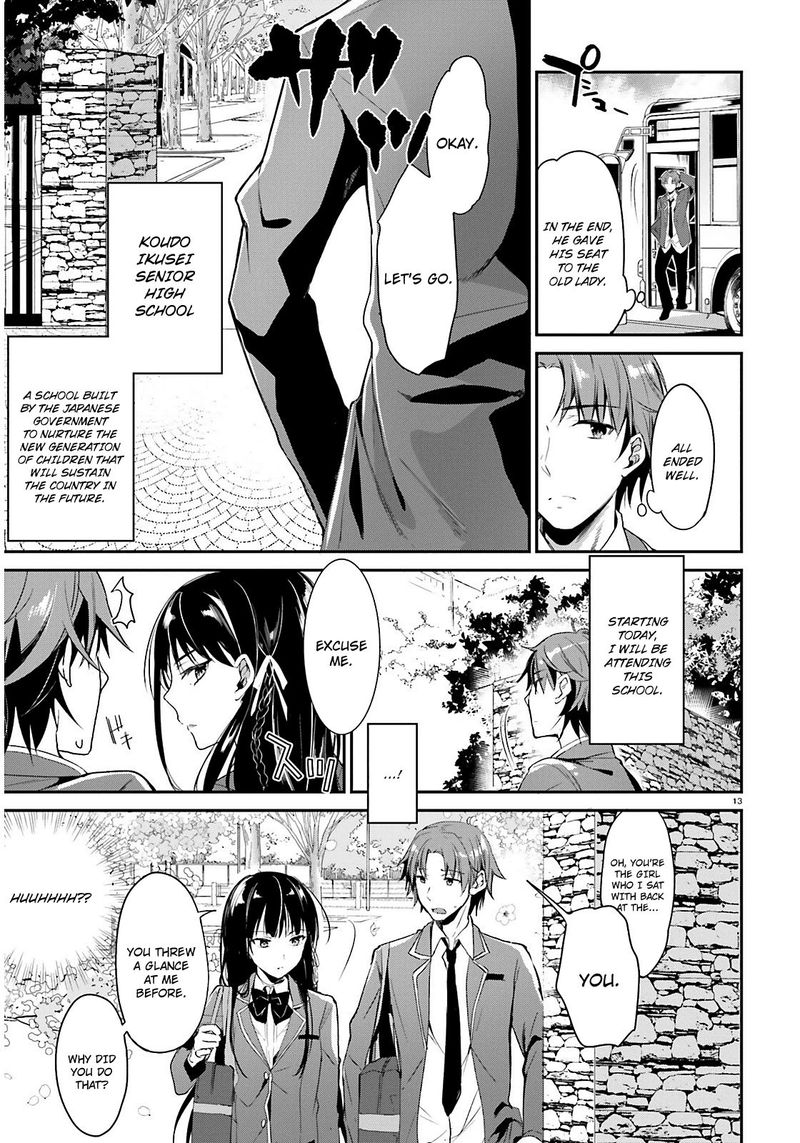
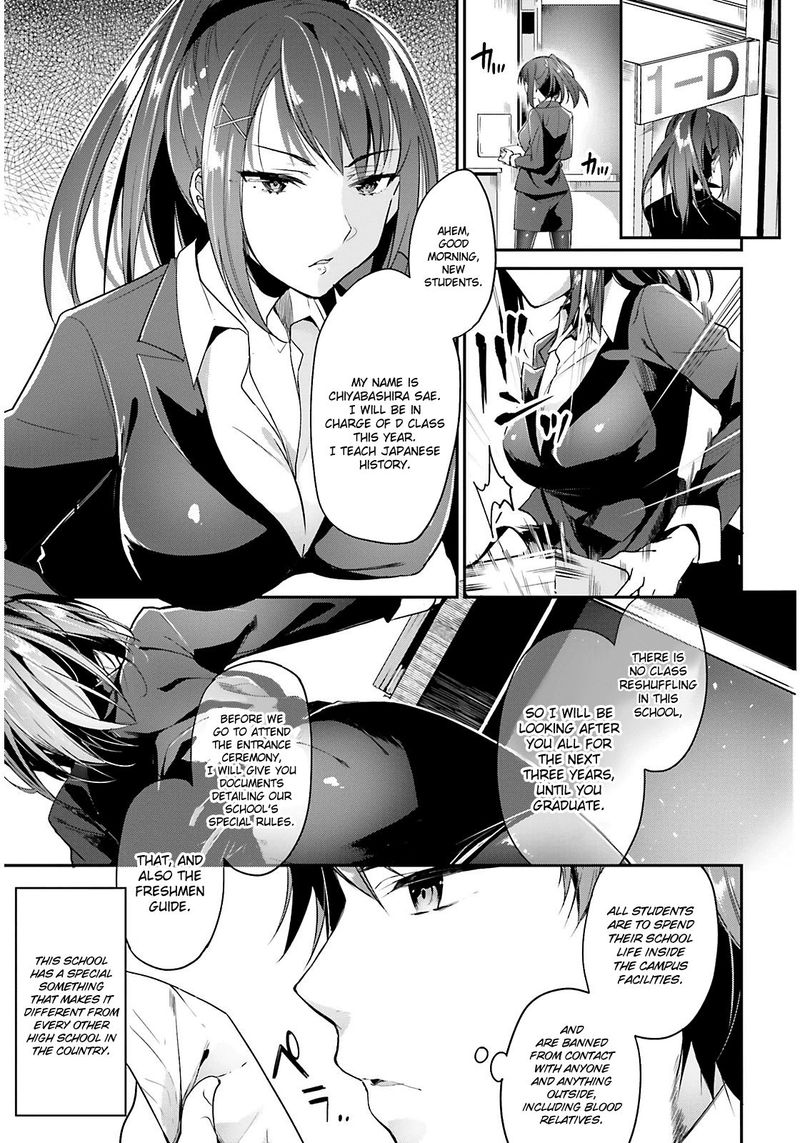
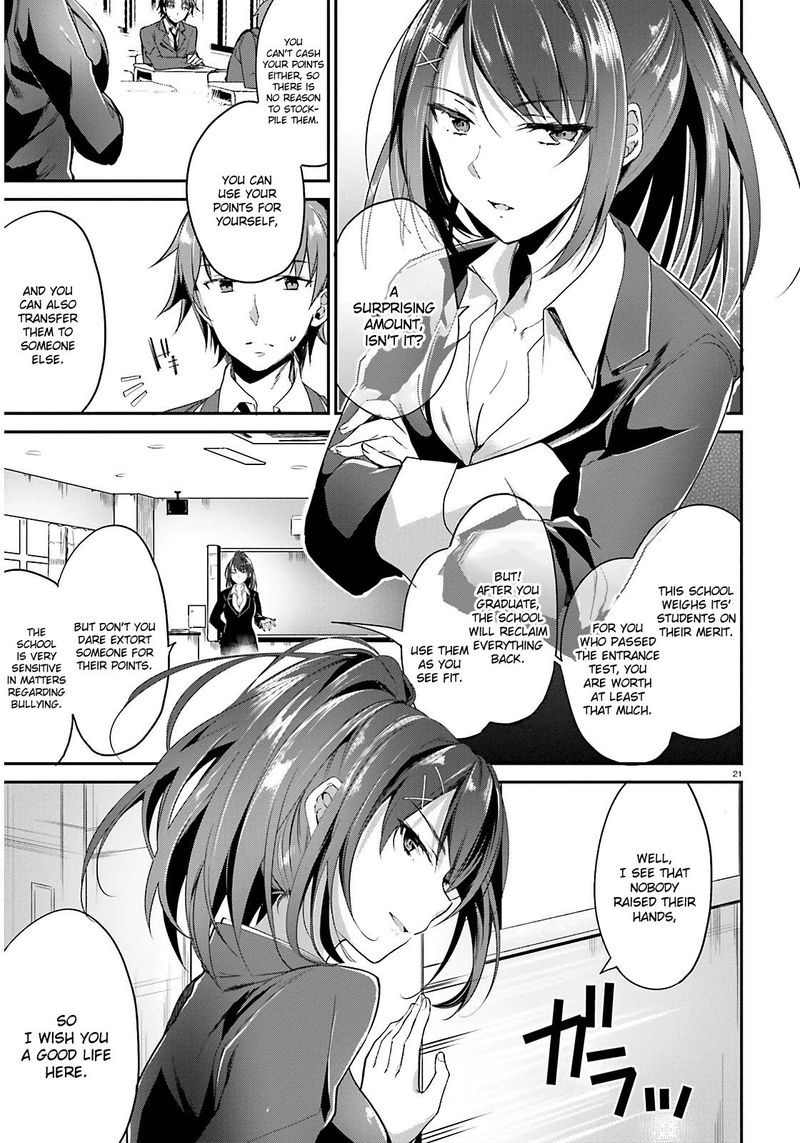
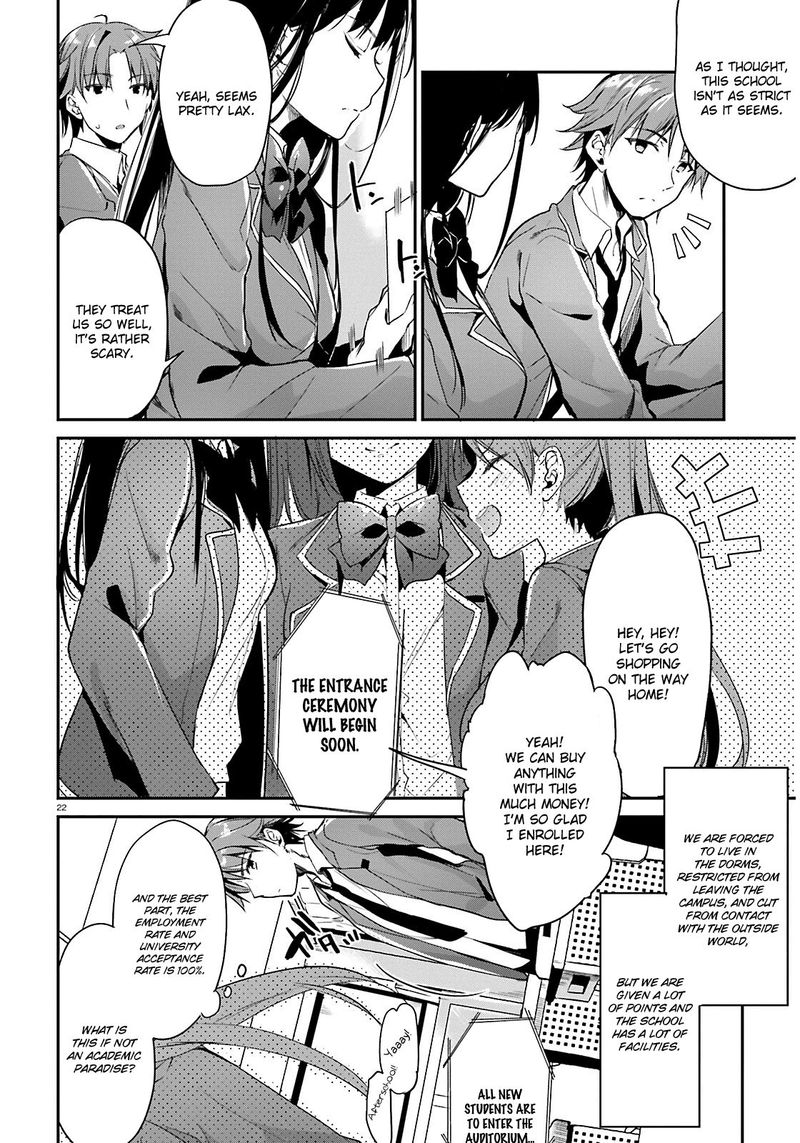
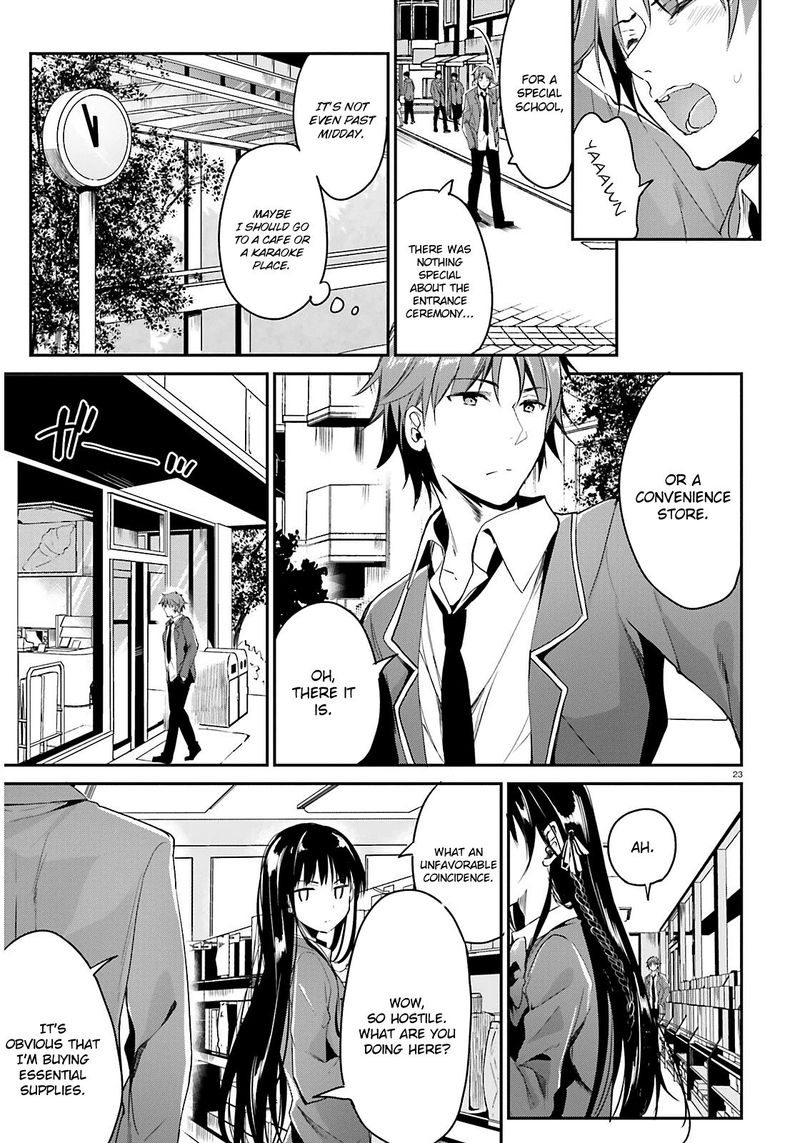
When the first panel of Year 1 Chapter 1 flashes onto the page, the reader is immediately thrust into a calculated tableau of arrival logistics. The elite boarding school, a hyper‑controlled environment, is introduced through an overhead schematic that mimics a command‑center dashboard. This visual cue is not decorative; it signals the omnipresent surveillance matrix that will govern every point allocation and social transaction. The protagonist, Kiyotaka Ayanokouji, steps out of the school bus with a neutral expression, his posture deliberately non‑committal. In a Classroom of the Elite Chapter Analysis, this opening move is identified as the “null‑signal” tactic—an effort to hide any intention while the S‑System silently begins its data acquisition.
Orientation Briefing: The S‑System Unveiled
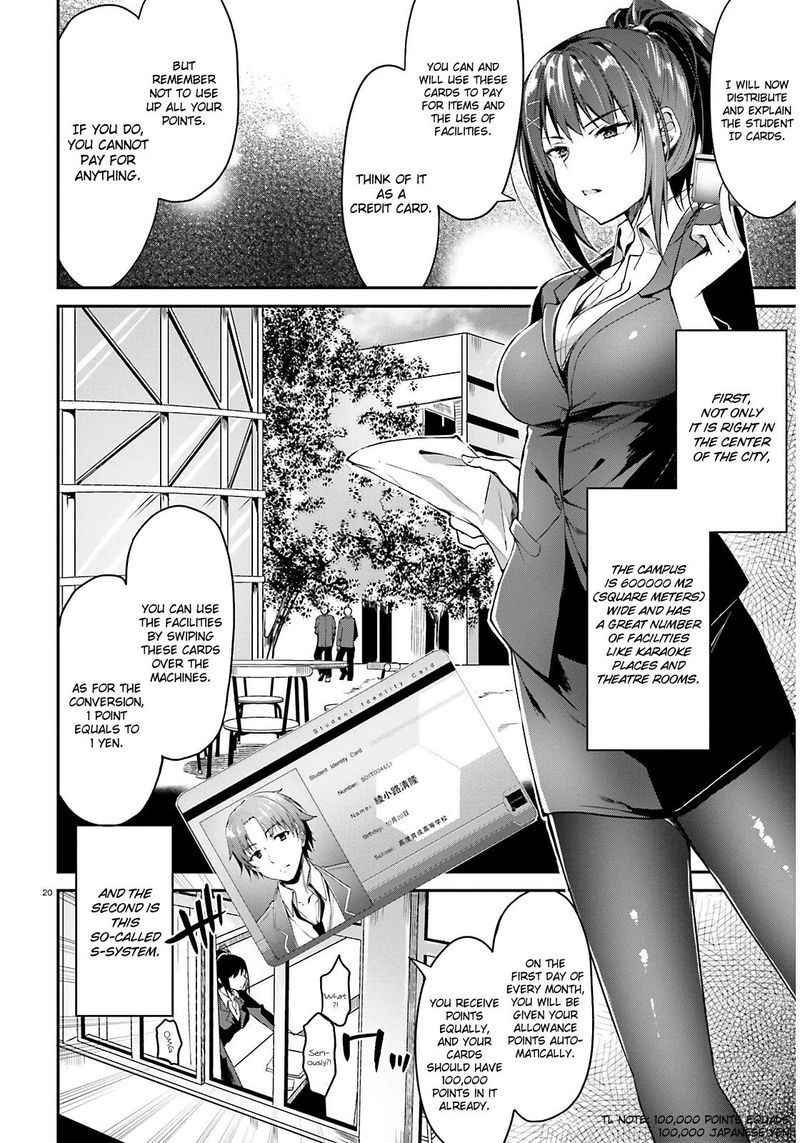
The orientation ceremony is a masterclass in information warfare. The school director, a figure cloaked in a crisp suit, delivers a monologue that outlines the S‑System—the points‑based hierarchy that transforms academic performance, extracurricular involvement, and even interpersonal conduct into quantifiable metrics. The director’s speech is peppered with technical jargon: “points are allocated based on contribution value, synergy, and strategic initiative.” This is a direct invitation for the reader to Read COTE Manga Online with a mindset of a battlefield analyst, parsing every line for hidden resource vectors. The director’s calm delivery, juxtaposed with the subtle flicker of the surveillance drones overhead, reinforces the theme that every action will be recorded, evaluated, and monetized in points.
First Interaction: The Classroom Seating Algorithm
The seating chart is revealed through a dynamic grid that resembles a digital spreadsheet. Each freshman is assigned a seat based on a pre‑calculated “compatibility index,” a hidden algorithm that weighs prior test scores, family background, and projected social influence. Kiyotaka’s seat—an isolated corner—serves as a tactical choke point. By positioning himself away from the high‑visibility clusters, he minimizes his exposure to early point‑earning opportunities while preserving the ability to observe opponent strategies. This placement is a classic example of the “low‑profile anchor” in the S‑System, where a player deliberately forgoes immediate gains for long‑term situational awareness.
Encounter with Classmates: The First Social Transaction
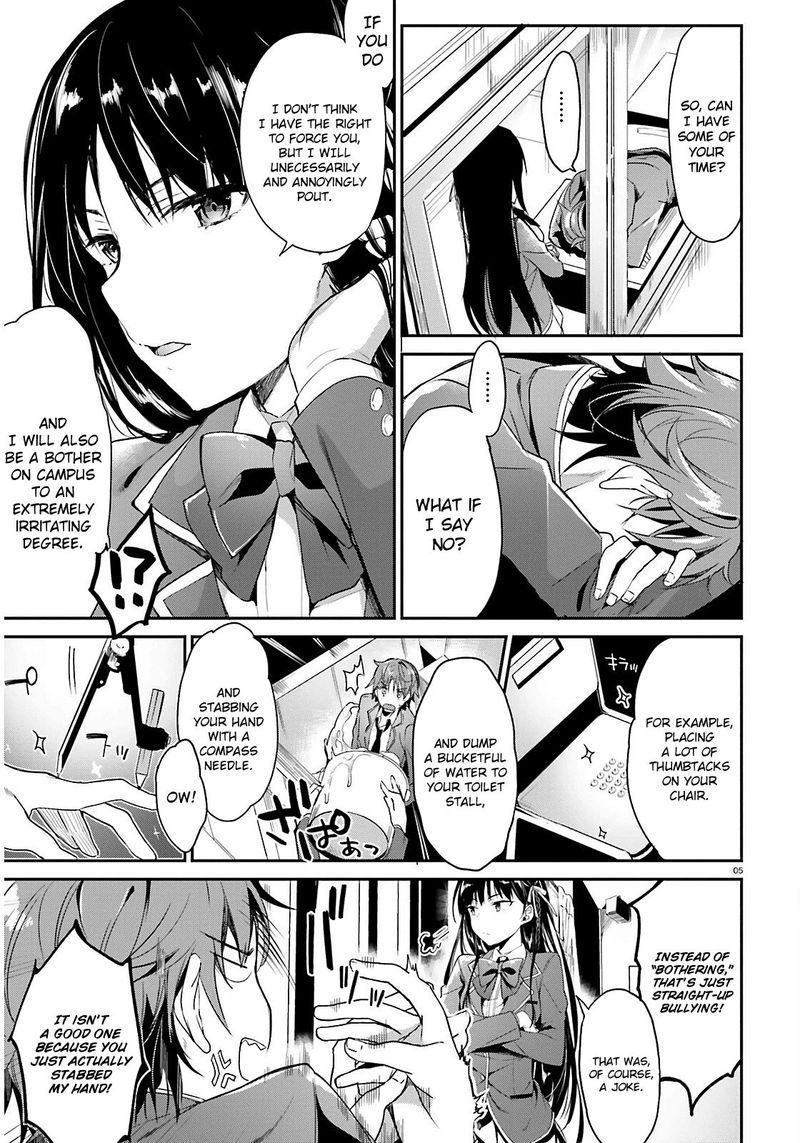
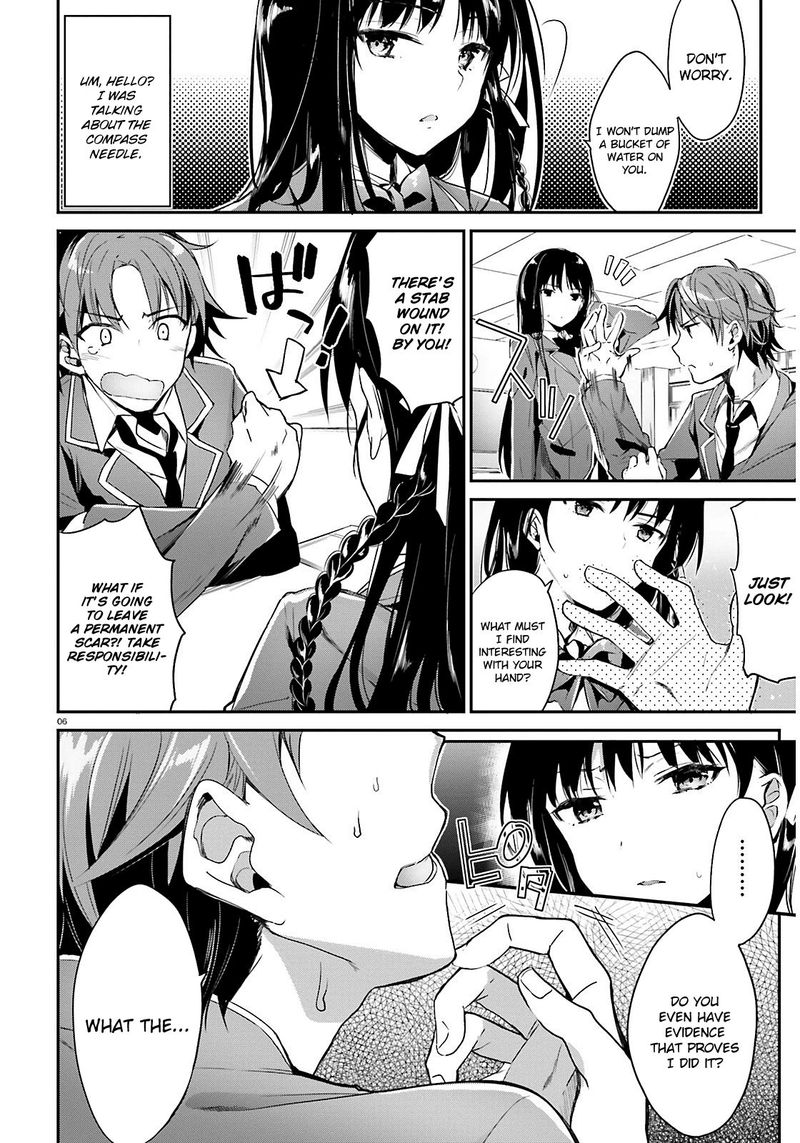
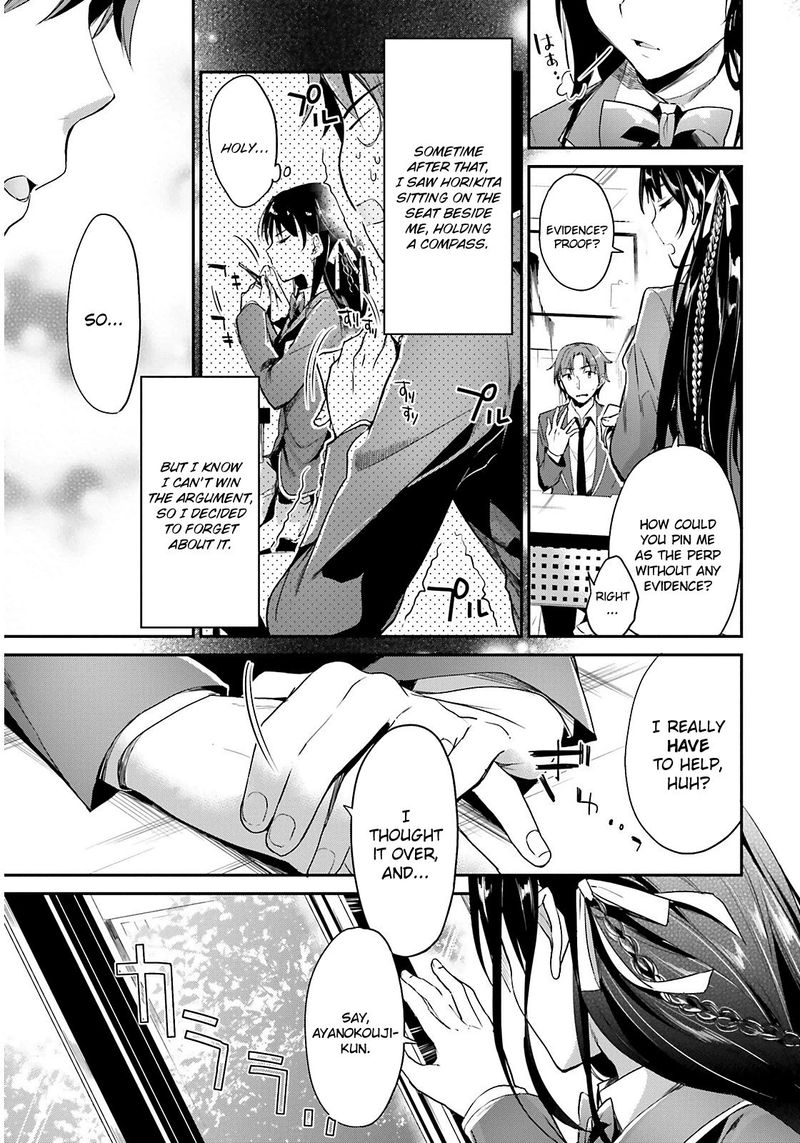
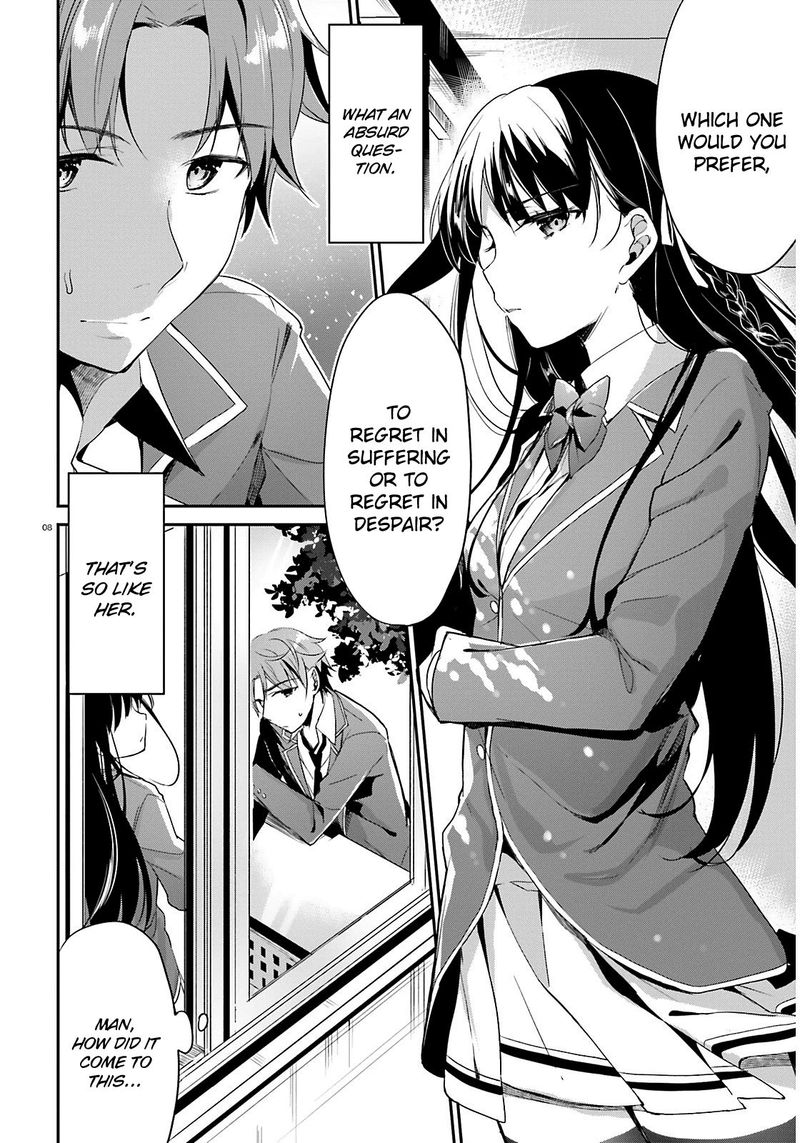
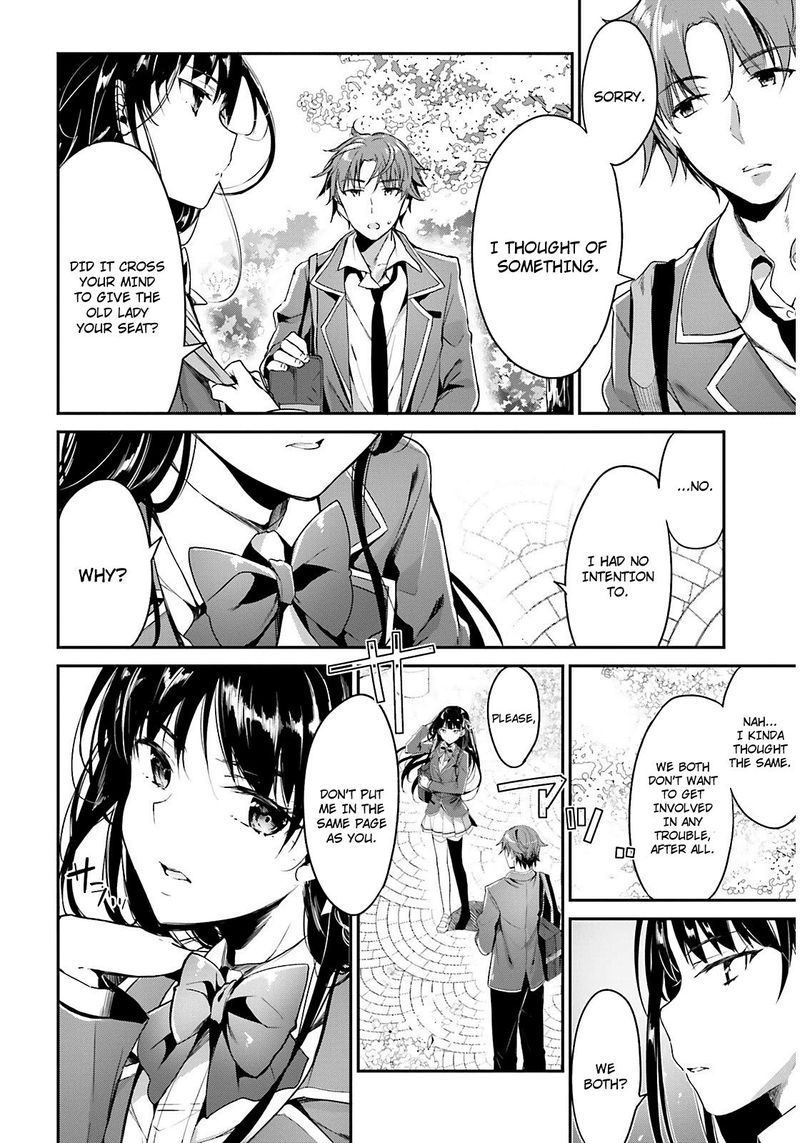
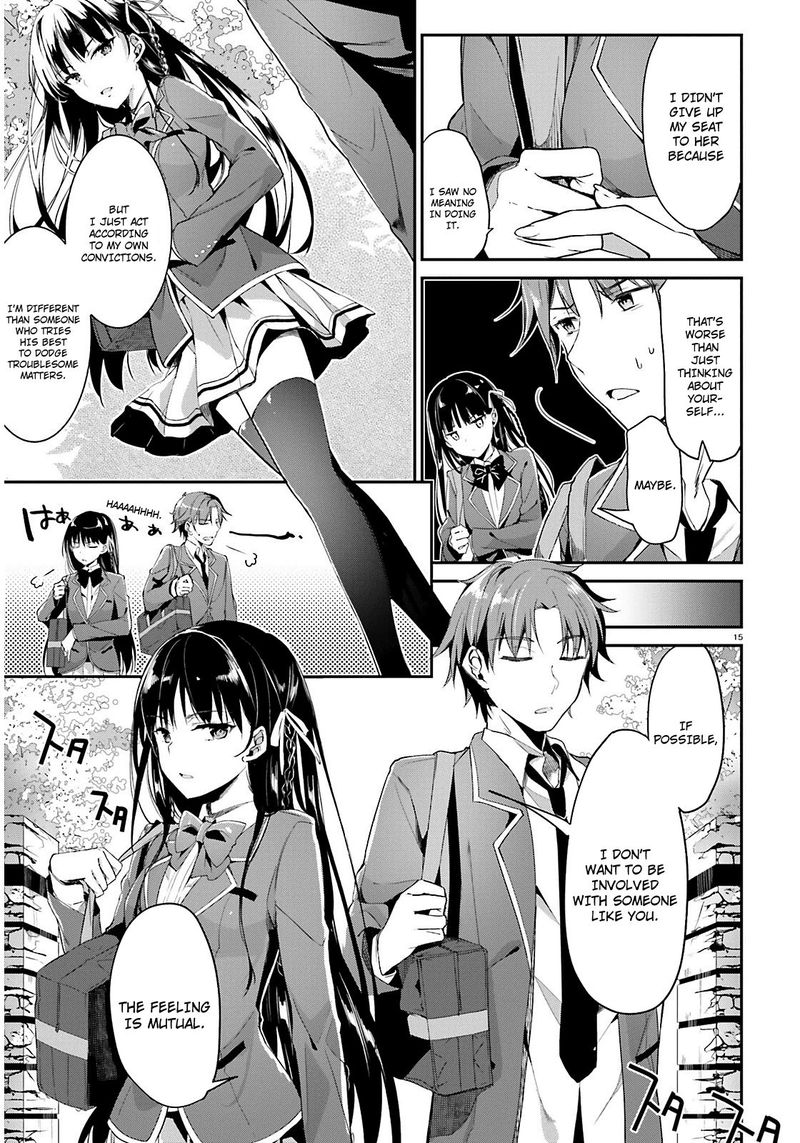
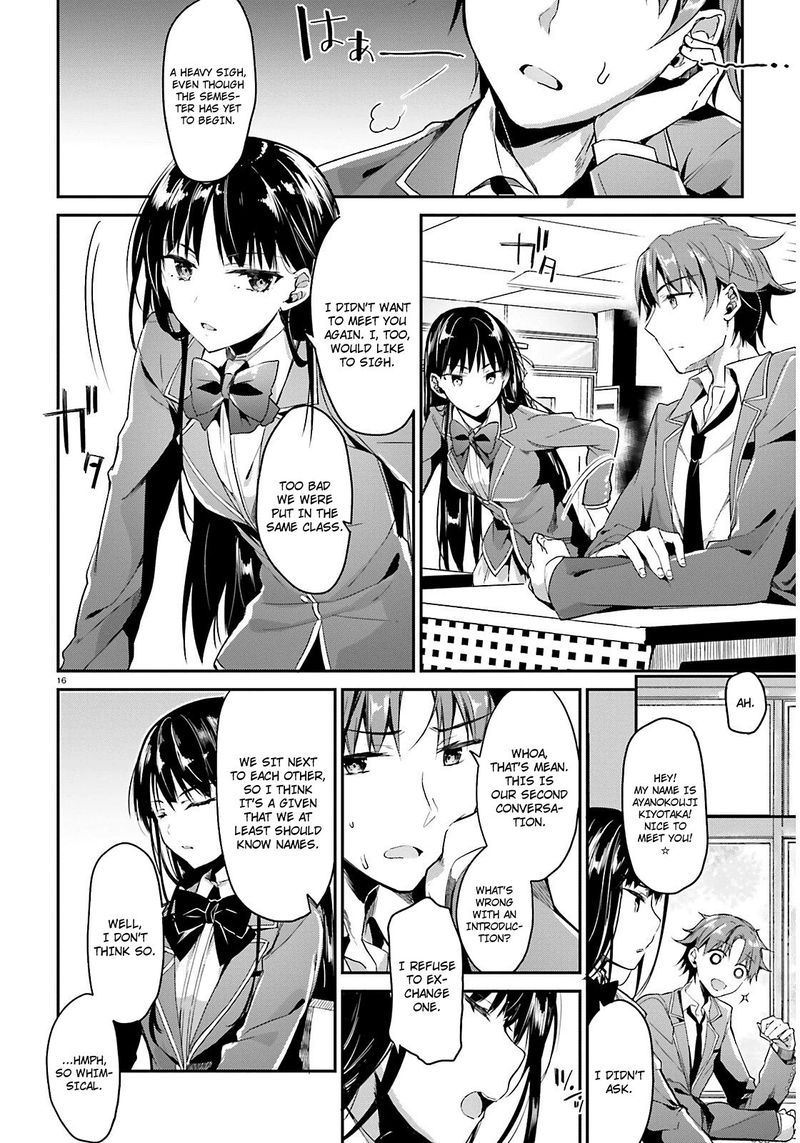
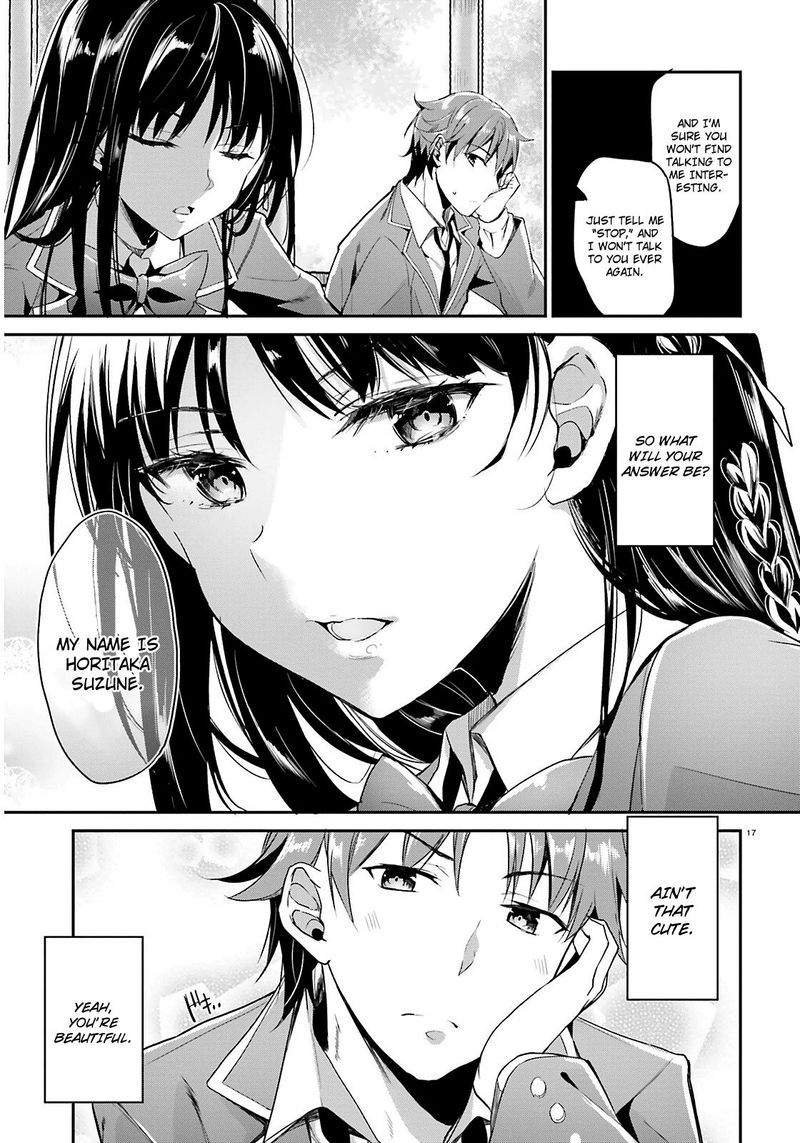
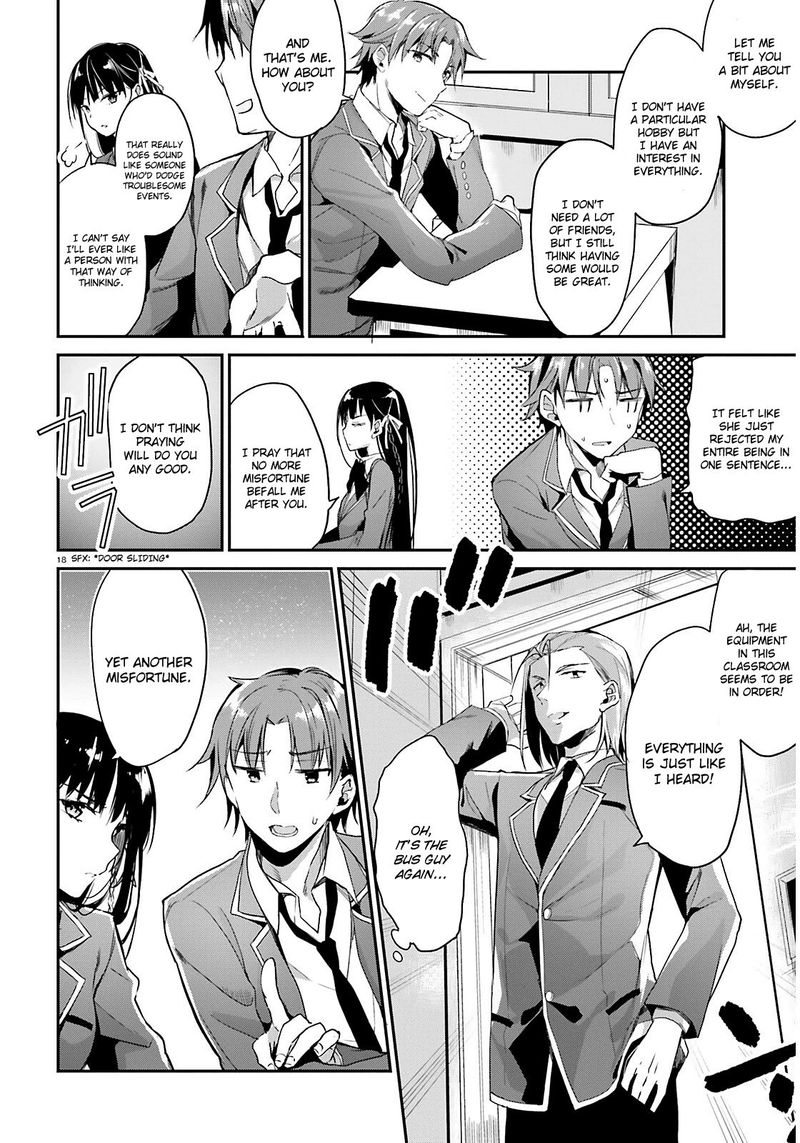
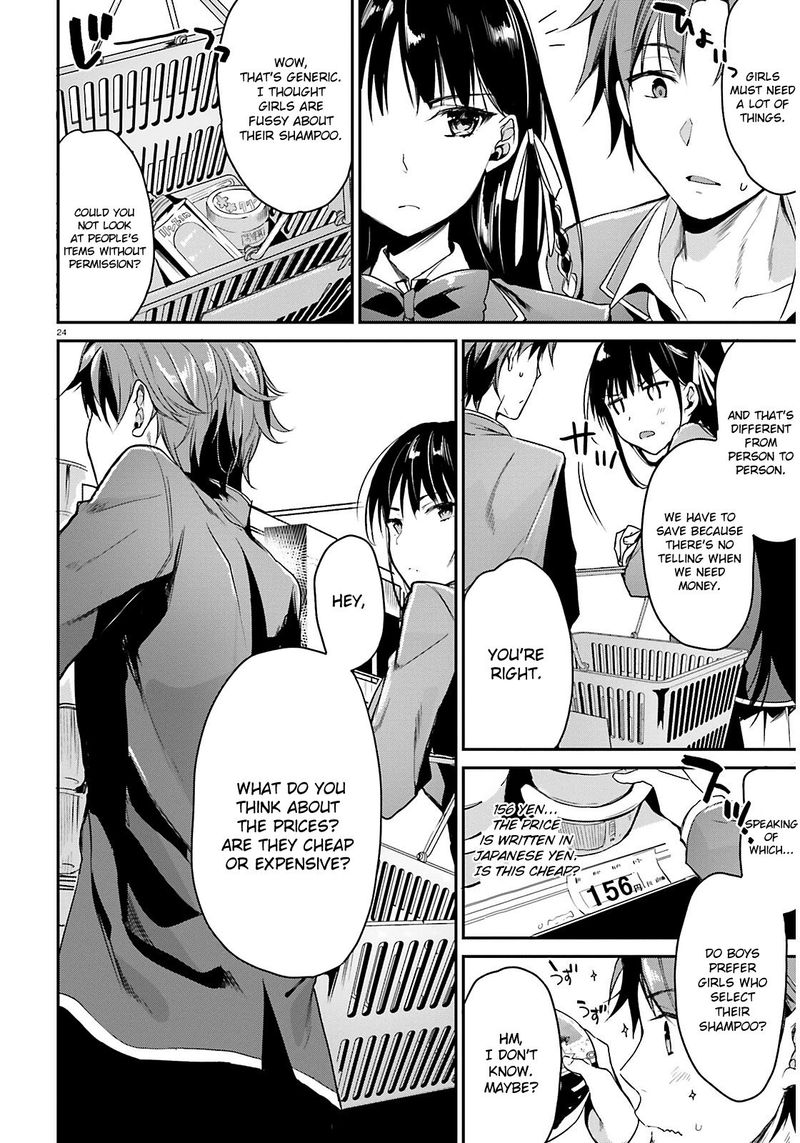
The first dialogue exchange occurs between Kiyotaka, Suzune Horikita, and Kikyou Kushida. Horikita’s cold, data‑driven question, “What do you aim to achieve here?” is a probe designed to extract information for point calculation. Kushida’s overly enthusiastic greeting, meanwhile, is an attempt to accrue social capital points through charisma. Kiyotaka’s response—a concise, emotionally neutral statement—acts as a “signal dampener,” preventing opponents from reading his true objectives. This moment is a micro‑case study in tactical mind‑game analysis, where each character’s verbal output is a potential data point in the S‑System’s algorithmic ledger.
Mid‑Chapter Twist: The “Special Points” Announcement
Approximately halfway through the chapter, the director announces a sudden “Special Points” event tied to a forthcoming group project. The announcement triggers a cascade of behavioral changes: students scramble to form alliances, some attempt to manipulate the point calculus by feigning competence. The introduction of a variable reward system is a classic S‑System mechanic designed to test adaptability under uncertainty. As a tactical analyst, one notes the immediate shift from static point accumulation (test scores) to dynamic point generation (social engineering). This shift underscores the author’s intent to portray the academy as a living, adaptive algorithmic ecosystem.
Closing Panel: The Silent Observation
The chapter concludes with a silent panel of Kiyotaka standing alone in a hallway, the camera angle low, emphasizing the cold fluorescent lighting. The empty hallway becomes a metaphor for the unseen “white space” in the S‑System where unobserved variables linger. The panel’s stark composition, devoid of dialogue, forces the reader to consider the hidden calculations occurring behind the scenes. It is a visual cue that the true battle has not yet begun; instead, it has merely entered the data‑collection phase, where every eye, every footstep, and every whispered word will be logged for future point attribution.
Tactical Mind‑Game Analysis (The S‑System & Points)
Fundamentals of the S‑System Architecture
The S‑System functions as a real‑time, multi‑dimensional scoring matrix that integrates academic results, extracurricular achievements, and social interactions into a single numeric value per student. Its architecture can be broken down into three core modules:
- Academic Module: Standardized test scores, assignment grades, and class participation metrics.
- Social Module: Peer evaluations, leadership roles, and reputation indices derived from observed interactions.
- Strategic Module: Points awarded for initiative, resource manipulation, and successful execution of covert operations.
Each module feeds into the central “Point Engine,” an AI‑driven algorithm that applies weightings based on the school’s stated priorities. The weightings are themselves dynamic, shifting each semester to emphasize different competencies—a mechanism designed to prevent stagnation and to reward adaptability.
Point Allocation Strategies Observed in Chapter 1
From a tactical perspective, the first chapter showcases three distinct point‑allocation strategies employed by the main characters:
- Horikita’s Direct Assault: By openly challenging the status quo and vocalizing her desire for “top rank,” Horikita aims to secure high Academic Module points through visible effort and leadership.
- Kushida’s Charisma Leverage: Kushida’s exaggerated friendliness is a calculated attempt to boost Social Module points, banking on peer approval and the “likeability factor.”
- Kiyotaka’s Stealth Accumulation: Kiyotaka employs a “low‑signal, high‑yield” approach, intentionally avoiding the spotlight while silently gathering intelligence for future Strategic Module exploitation.
Quantitative Example: Hypothetical Point Spreadsheet
Below is a simplified spreadsheet illustrating how the S‑System might allocate points after the first week of classes:
- Student | Academic | Social | Strategic | Total
- Kiyotaka Ayanokouji | 85 | 70 | 90 | 245
- Suzune Horikita | 92 | 55 | 60 | 207
- Kikyou Kushida | 78 | 88 | 45 | 211
Notice how Kiyotaka’s Strategic score eclipses the others despite a modest academic output. This reflects his latent capability to manipulate the point calculus—an essential trait for any player aiming for the top of the S‑System hierarchy.
Risk‑Reward Calculus in the “Special Points” Event
The mid‑chapter “Special Points” announcement creates a temporary high‑stakes environment. The risk‑reward equation for participants can be expressed as:
Expected Gain = (Probability of Success) × (Special Points Reward) – (Opportunity Cost)
Students with high Social Module scores (e.g., Kushida) might perceive a higher probability of success due to their network, while those with lower Social scores (e.g., Horikita) face a higher opportunity cost, as they must divert focus from their primary Academic Module. Kiyotaka’s calculation, however, includes an additional variable: information asymmetry. By observing others’ negotiations, he can predict alliance formations and intervene at a moment of maximum leverage, thereby maximizing his Strategic Module gain with minimal exposure.
Long‑Term Point Optimization: The “Zero‑Sum” Theory
Within the S‑System, points are essentially a zero‑sum commodity—total points available in a given cycle are capped by the school’s budget. Therefore, any gain for one student inherently diminishes the pool for others. The optimal long‑term strategy, as evidenced in Chapter 1, involves:
- Establishing a baseline of low‑visibility points through passive observation.
- Identifying high‑value “point spikes” (e.g., special events, leadership contests).
- Executing timed interventions that exploit the information gap created by rivals’ overt actions.
- Maintaining a flexible point‑allocation profile that can shift weightings between modules as the system recalibrates.
This framework will serve as a reference point for the subsequent analysis of future chapters.
Character Psychological Profiles (X‑Ray of Motives)
Kiyotaka Ayanokouji – The Silent Operator
Core Motivation: Survival through concealment and strategic dominance.
Psychological Traits:
- High Emotional Regulation: Kiyotaka exhibits a remarkable ability to suppress affective responses, a trait likely honed in the clandestine training environment of the White Room.
- Analytical Cognition: He processes social interactions as data streams, constantly updating internal models of opponent behavior.
- Low Social Need: His minimal desire for peer approval aligns with a utilitarian view of relationships—as tools rather than ends.
Strategic Profile: Kiyotaka operates on a “long‑range artillery” paradigm, preferring to fire from a concealed position after gathering sufficient intelligence. This makes him a master of the Strategic Module and the most formidable opponent in the S‑System, despite an apparently average Academic Module score.
Suzune Horikita – The Calculated Aspirant
Core Motivation: Attainment of top rank to validate personal competence and outshine perceived rivals.
Psychological Traits:
- Goal‑Oriented Drive: Horikita’s actions are consistently aligned with her objective of ranking first.
- Perfectionist Tendencies: She demonstrates a low tolerance for error, often leading to high stress under pressure.
- Controlled Social Interaction: She views relationships as transactional, using them primarily to acquire resources for her academic agenda.
Strategic Profile: Horikita embodies the “direct charge” approach—she invests heavily in the Academic Module and attempts to dominate the Social Module through leadership. Her lack of subtlety makes her vulnerable to strategic interference, especially from low‑profile operators like Kiyotaka.
Kikyou Kushida – The Charismatic Engine
Core Motivation: Desire for social recognition and to be perceived as indispensable.
Psychological Traits:
- High Extraversion: Kushida thrives on interpersonal engagement, using charm to influence peer perception.
- Adaptive Social Intelligence: She quickly reads social cues and modifies her behavior to fit varying group dynamics.
- Risk‑Seeking Behavior: Her willingness to take bold social gambles often yields rapid Social Module point spikes.
Strategic Profile: Kushida is the “social catalyst” within the S‑System. While her Academic Module contributions are modest, she can leverage Social Module dominance to negotiate strategic alliances, creating indirect pathways to Strategic Module points.
White Room Influence – The Latent Variable
The overarching psychological imprint of the White Room—an undisclosed, high‑intensity training facility—serves as a hidden variable influencing each character’s baseline. Although only Kiyotaka’s direct connection is confirmed in Chapter 1, subtle hints (e.g., his disciplined posture, his uncanny composure under pressure) suggest that the White Room’s conditioning may be an underlying factor in the development of high‑level stress tolerance and strategic foresight. This latent influence becomes a focal point for the White Room Mystery Explained portion of this article.
The White Room Legacy (Secrets & Shadows)
Historical Context of the White Room
The White Room is referenced in the manga’s lore as a secret government‑run program designed to produce “perfect humans” capable of manipulating any social system. Its existence is cloaked in layers of misinformation, making it an ideal subject for an information‑war case study. The program’s core tenets include:
- Neuro‑Sensory Deprivation: To eliminate emotional bias.
- Extreme Cognitive Conditioning: To develop rapid problem‑solving and pattern recognition.
- Social Simulation Drills: To train operatives in covert influence tactics.
These elements manifest in Kiyotaka’s behavior, providing a tangible link between his calm exterior and the hidden “White Room” algorithms that continue to operate beneath his conscious awareness.
Evidence in Chapter 1: Behavioral Footprints
Even in the opening chapter, several micro‑behaviors betray White Room training:
- Environmental Scanning: Kiyotaka’s eyes flick across the classroom, silently cataloguing seating arrangements, facial expressions, and body language—an activity reminiscent of a surveillance drone’s scan.
- Micro‑Expression Suppression: He maintains a neutral mask, preventing opponents from extracting emotional data—a classic White Room technique for denying adversaries informational footholds.
- Rapid Decision‑Tree Computation: When the “Special Points” event is announced, Kiyotaka instantly calculates the risk‑reward matrix without vocalizing doubt, indicating pre‑wired decision‑making pathways.
These observable footprints serve as proof points for the White Room Mystery Explained narrative, establishing that the academy’s S‑System is not merely an academic construct but a battleground explicitly designed to test White Room graduates.
Psychological Conditioning: The “Zero‑Emotion” Protocol
The “Zero‑Emotion” protocol is a cornerstone of White Room training, aiming to create operatives who can engage in high‑stakes environments without physiological arousal. Kiyotaka’s lack of visible stress hormones (e.g., no sweating, no rapid breathing) even during the high‑tension “Special Points” announcement suggests successful internalization of this protocol. From a tactical analyst’s perspective, this translates into a measurable advantage: the ability to maintain optimal cognitive function while others are compromised by anxiety‑induced performance degradation.
Potential Counter‑Intelligence Threats
While the White Room gives its graduates an edge, it also creates a predictable pattern that can be exploited by opponents aware of its existence. For instance, adversaries could deploy “emotional overload” tactics—situations designed to flood sensory channels and force a breach of the Zero‑Emotion shield. Recognizing this vulnerability, Horikita and Kushida could collaborate on a “social cascade” event to trigger an emotional response, thereby creating a temporary blind spot for Kiyotaka.
Implications for the S‑System’s Design
The presence of a White Room‑trained operative in the academy hints that the school’s administration intentionally seeded a “wildcard” variable into the S‑System. This variable—highly unpredictable yet mathematically modelable—serves as a catalyst for emergent strategies, ensuring that the point‑allocation mechanism never reaches a static equilibrium. The strategic design choice mirrors real‑world economic