
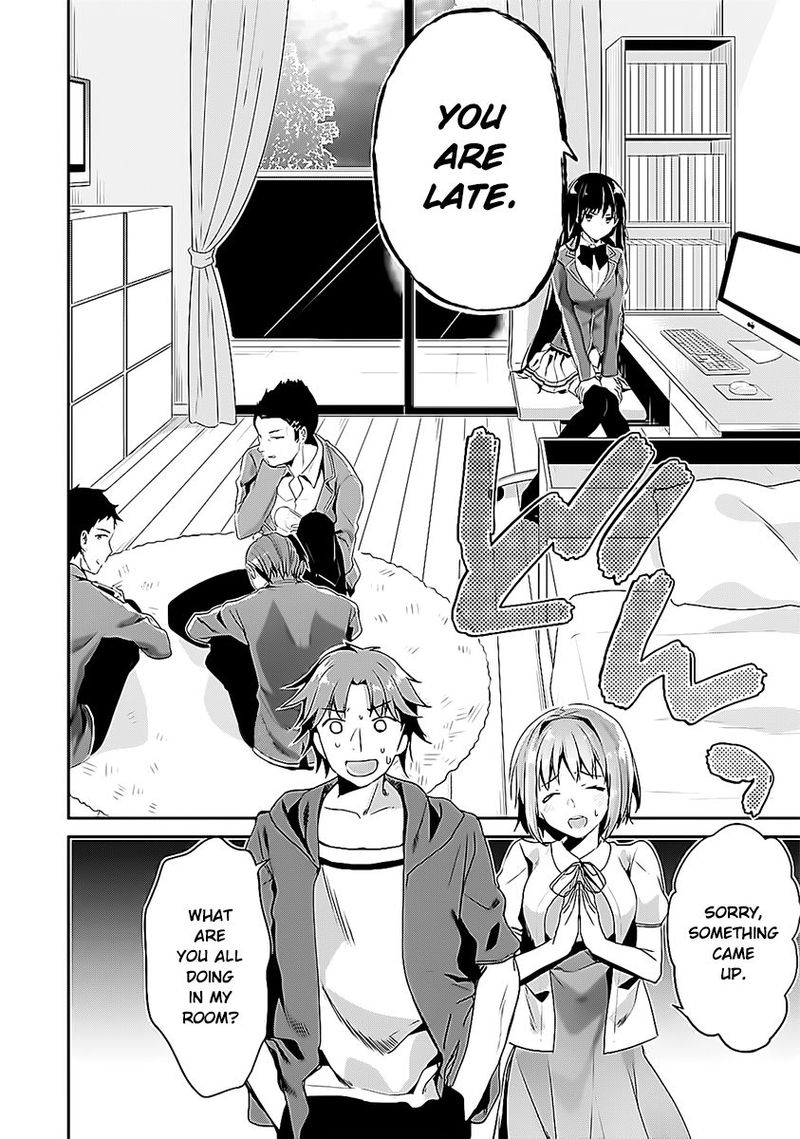
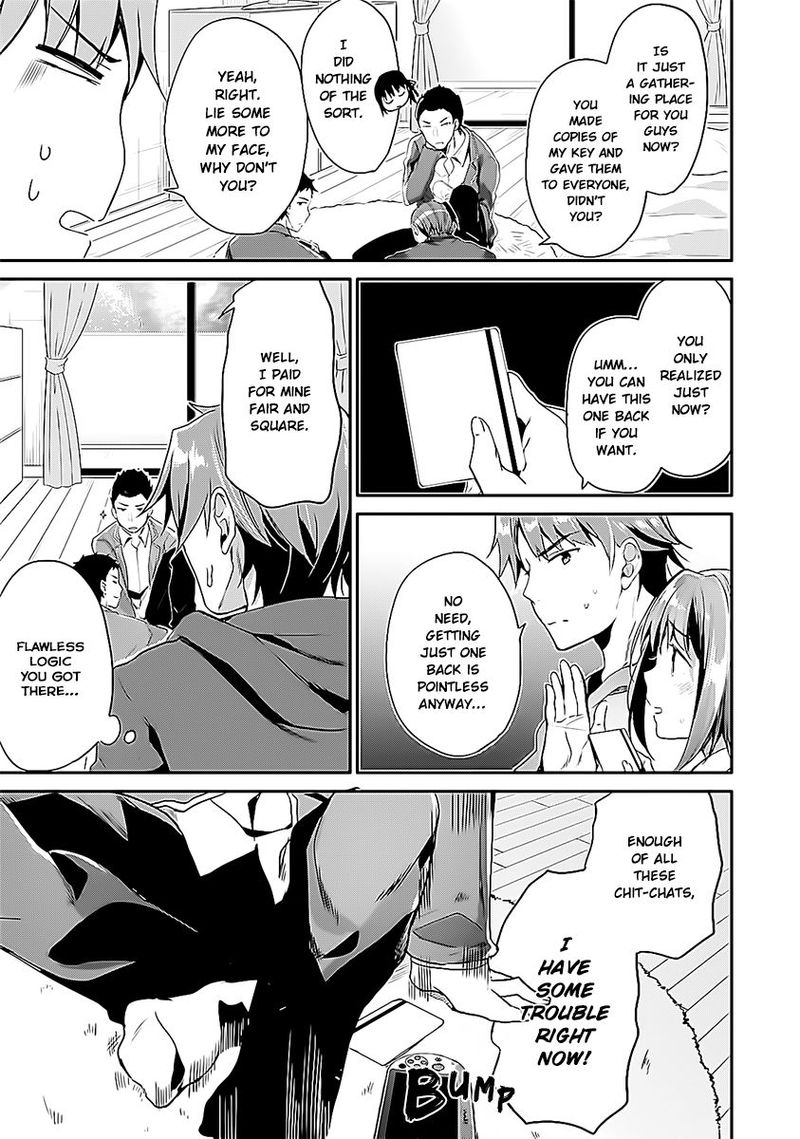
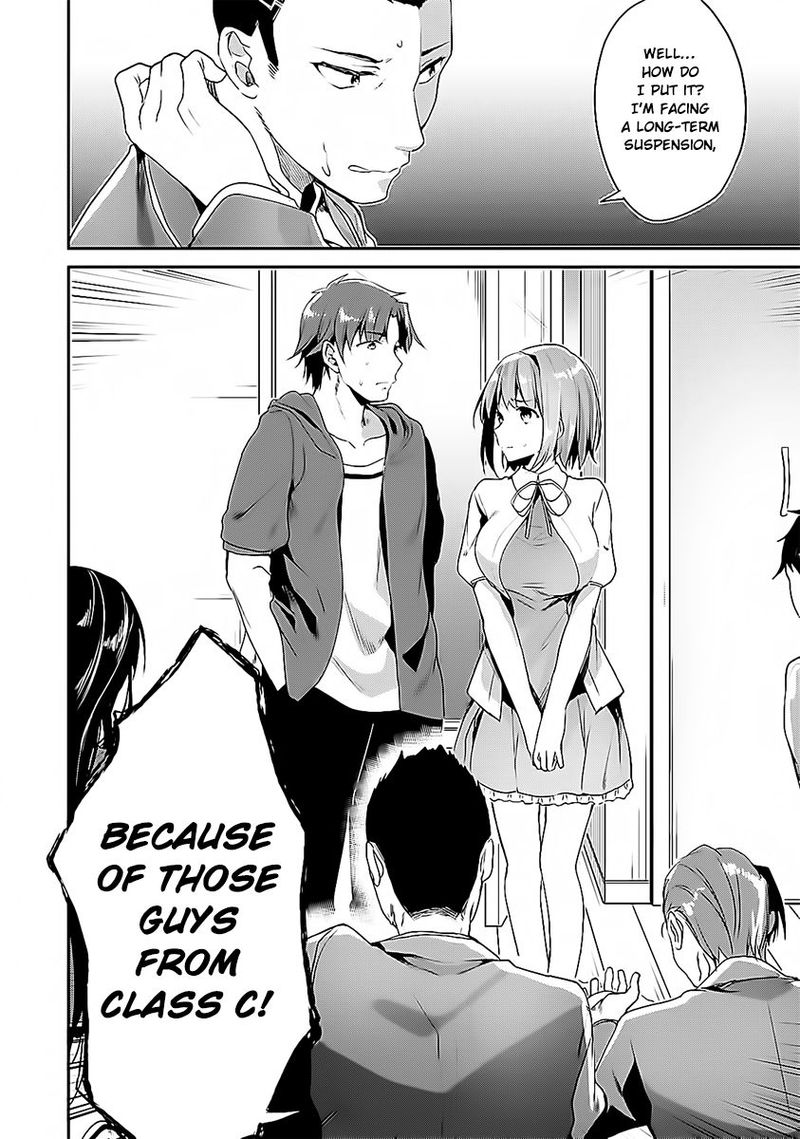
Chapter 9 Summary
The fluorescent lights of the classroom flickered once, then steadied, casting a cold, even glow over the rows of desks that seemed to stretch into an endless horizon. The air was thick with the faint scent of paper and the lingering echo of the previous lesson, but a new tension crackled through the room like static before a storm. It was the day of the Survival Exam, the most dreaded and talked‑about event in the curriculum of Tokyo Metropolitan Advanced Nurturing High School, and the entire Class D cohort could feel the weight of every eye upon them.
Kiyotaka Ayanokouji sat at the back, his posture unremarkable, his expression a mask of indifference. He had learned early on that drawing attention was a liability, and today was no different. The exam was designed to test not only academic knowledge but also the ability to navigate the social labyrinth that the school’s hierarchy demanded. For most of his classmates, the thought of being forced into alliances, betrayals, and strategic manipulation was enough to make their stomachs churn. For Kiyotaka, it was simply another puzzle waiting to be solved.
Across the aisle, Suzune Horikita’s gaze was sharp, her eyes scanning the room with the precision of a hawk. She had spent the past weeks meticulously cataloguing the strengths and weaknesses of each classmate, building a mental spreadsheet that would serve as the foundation for her own plan. The Survival Exam was her opportunity to prove that intellect could outshine brute force, that a well‑crafted strategy could topple even the most entrenched power structures within the school. She had already identified a few key players—Kikyo Kushida, the charismatic “queen bee” of Class D, whose social influence was unrivaled; the quiet but observant Hoshino, whose knack for gathering information could be a valuable asset; and the boisterous Airi, whose enthusiasm could be harnessed as a distraction.
Kikyo Kushida, perched at the front of the room, smiled brightly, her eyes glittering with a mixture of confidence and mischief. She had always been the center of attention, the one who could sway opinions with a single well‑placed word. Her reputation preceded her, and even the teachers seemed to give her a little extra leeway. As the instructor—a stern, middle‑aged man with a scar running down his left cheek—walked to the podium, the murmurs of the class fell into a hushed silence.
“Welcome, Class D,” the instructor began, his voice resonating through the room. “Today’s Survival Exam will test your ability to work together, to think on your feet, and to survive under pressure. You will be divided into three teams. Each team will be given a set of resources and a series of tasks. The team that accumulates the most points by the end of the day will receive a bonus that could affect your final ranking. Failure to cooperate will result in penalties that could jeopardize your standing.”
He paused, letting the words sink in. “You have fifteen minutes to form your teams. Choose wisely.”
The clock on the wall began its relentless countdown. The room erupted into a flurry of whispers, hurried calculations, and frantic gestures. Some students rushed to form alliances based on prior friendships; others tried to rally the weaker members to their cause, hoping to create a larger, more diverse group. The air was charged with the electric buzz of negotiation.
Kiyotaka’s mind moved like a chessboard, each piece shifting silently in his thoughts. He observed the dynamics, noting who was reaching out, who was hesitating, and who seemed to be holding back. He could have easily slipped into the background, letting the others do the heavy lifting, but he sensed an undercurrent of desperation that could be exploited. He glanced at the empty seat beside him, then at the one across the aisle where a quiet boy named Haruki was scribbling notes furiously. Haruki was known for his analytical mind, though he rarely spoke. Kiyotaka made a mental note.
Suzune, meanwhile, had already begun to outline her strategy. She approached Kikyo, her voice low but firm. “Kikyo, we need to talk,” she said, her eyes never leaving the other’s. “If we combine our strengths—your influence and my planning—we can dominate the exam. Let’s form a team of five, with me as the coordinator. We’ll assign roles based on each member’s abilities.”
Kikyo raised an eyebrow, a smile playing on her lips. “Suzune, you’re always so serious. But I like the idea of a partnership. Who else do you have in mind?”
Suzune listed her choices quickly: Haruki for data analysis, Airi for morale boosting, and Hoshino for intelligence gathering. Kikyo nodded, her mind already racing through the possibilities. “Alright, let’s do it. We’ll call ourselves Team Apex.”
Across the room, a small group of students huddled together, their faces a mixture of anxiety and determination. Among them was a quiet girl named Mei, who had been overlooked by most of the class. She whispered to a boy named Ryo, “If we stick together, we might survive. Let’s take the resources they leave behind and share them.”
Ryo, a lanky boy with a habit of tapping his foot, replied, “We’ll need to be careful. The teachers are watching, and the other teams will try to sabotage us.”
The instructor raised his hand, signaling the end of the formation period. “Teams, present yourselves,” he commanded.
One by one, the groups stepped forward. Team Apex, led by Kikyo and Suzune, stood tall, their confidence palpable. Their members exchanged nods, each aware of the role they were about to play. The second team, a ragtag collection of students led by a boy named Takumi, who had a reputation for being a lone wolf, raised their hands. The third team, a modest group of four, consisted of Mei, Ryo, Haruki, and a shy girl named Yui.
Kiyotaka remained seated, his expression unchanged. He had no intention of joining any of the announced teams. Instead, he observed, calculated, and waited for the moment when the pieces fell into place.
The instructor clapped his hands, and the exam began. A series of tasks appeared on the digital board: a logic puzzle, a physical obstacle course, a debate on a controversial topic, and a resource allocation challenge. Each task carried a different point value, and the teams were free to choose the order in which they tackled them.
Team Apex immediately gravitated toward the debate, confident that Kikyo’s charisma and Suzune’s analytical mind would secure a high score. They gathered around the podium, their voices resonating with authority as they argued the merits of a hypothetical policy that would prioritize individual achievement over collective welfare. The audience—composed of other students and a few teachers—listened intently, swayed by Kikyo’s eloquence and Suzune’s precise data points.
Meanwhile, Takumi’s team chose the logic puzzle, hoping to leverage their member’s knack for pattern recognition. They huddled over the screen, their fingers flying across the keyboard as they decoded a series of cryptic symbols. Their progress was steady, but the puzzle proved more complex than anticipated, requiring a level of collaboration that Takumi, accustomed to working alone, found challenging.
The modest group of four, led by Haruki, opted for the resource allocation challenge. The task required them to distribute a limited set of supplies—food, water, medical kits—among a simulated population of stranded survivors. Haruki’s analytical mind quickly mapped out an optimal distribution, while Mei’s empathy ensured that the most vulnerable were considered. Yui, though shy, contributed by meticulously recording the data, ensuring that no detail was overlooked.
Kiyotaka, observing the unfolding drama, decided it was time to act. He slipped out of his seat and moved toward the storage closet at the back of the room, a place most students ignored. Inside, he found a set of spare tools—a rope, a flashlight, a small first‑aid kit—items that could be used to gain an advantage in the upcoming physical obstacle course. He took the rope, tucked it into his jacket, and returned to his seat, his face still an unreadable mask.
The physical obstacle course was announced next: a series of climbing walls, balance beams, and a low‑gravity tunnel that required both strength and ingenuity. The teams rushed to the designated area, their members shouting encouragements and strategizing on the fly.
Team Apex, confident in their physical abilities, charged ahead. Kikyo led the charge, her athleticism surprising many who had only seen her as a social leader. Suzune, however, struggled with the balance beam, her focus on the strategic aspects of the exam making her less adept at the physical demands. She stumbled, but Kikyo caught her, pulling her back onto the beam. Their teamwork earned them a respectable score, though not the maximum.
Takumi’s team, despite their logical prowess, found the obstacle course to be a nightmare. Takumi, unwilling to admit his weakness, tried to push his teammates forward, but the lack of coordination caused several missteps. Their score suffered, and tension rose within the group.
Haruki’s group, with Kiyotaka now subtly influencing their approach, took a different route. Kiyotaka whispered to Haruki, “Use the rope to secure the higher sections. It’ll give you a shortcut.” Haruki glanced at Kiyotaka, surprised by the sudden insight, but nodded. They used the rope to swing across a wide gap, saving precious time. Mei’s quick thinking helped them navigate the low‑gravity tunnel by using the flashlight to illuminate hidden markers. Yui’s meticulous notes ensured they didn’t waste energy on unnecessary detours.
When the obstacle course concluded, the scores were tallied. Team Apex earned a solid but not spectacular number. Takumi’s team lagged behind, their lack of cohesion evident. Haruki’s group, however, achieved a surprisingly high score, thanks in part to the unexpected assistance they had received.
The instructor called the class back to the main room, his expression unreadable. “Now, for the final task,” he announced, “you will each write a brief report on how you approached the exam, what strategies you employed, and what you learned about teamwork. This will be evaluated not only on content but also on honesty and self‑reflection.”
The room fell into a contemplative silence. Students pulled out notebooks, pens, and tablets, preparing to document their experiences. Kikyo began to write, her words polished and persuasive, highlighting her leadership and the synergy with Suzune. Suzune’s report was methodical, detailing each decision point, the data she had gathered, and the outcomes. She admitted, however, that her reliance on logic had sometimes blinded her to the human element.
Haruki’s report was concise, focusing on the data-driven allocation of resources and the importance of adaptability. He mentioned the rope and the flashlight, attributing their success to “unexpected assistance from a classmate.” Mei’s entry was heartfelt, emphasizing the value of empathy and the need to protect the vulnerable. Yui’s notes were thorough, listing every minute detail of the tasks, the scores, and the observations of other teams.
Kiyotaka’s report was a single paragraph, almost blank, save for a few cryptic symbols that seemed to convey more than words could. He had chosen to write in a way that left room for interpretation, a silent acknowledgment that sometimes the most powerful statements are those left unsaid.
When the instructor collected the reports, he lingered over each one, his eyes lingering on the subtle nuances. He smiled faintly as he read Kikyo’s polished prose, then paused at Suzune’s analytical breakdown, noting the rare admission of vulnerability. He raised an eyebrow at Haruki’s mention of “unexpected assistance,” as if he sensed an undercurrent he could not quite place.
The day’s final scores were announced. Team Apex, despite their strong start, fell short of the top spot due to their lower performance in the obstacle course. Takumi’s team, though struggling, managed to avoid the lowest ranking thanks to a decent showing in the logic puzzle. Haruki’s group, the modest quartet, emerged as the unexpected victors, their combined score surpassing the others by a narrow margin.
A murmur rippled through the classroom. Some students cheered, others stared in disbelief. The teacher’s voice cut through the noise. “Congratulations to the winning team. Your performance demonstrates that cooperation, adaptability, and the willingness to accept help can outweigh raw talent and individual brilliance.”
Kikyo’s smile faltered for a moment, then she recovered, clapping politely. Suzune’s eyes narrowed, a flicker of frustration crossing her face before she composed herself. Haruki, Mei, Yui, and the quiet boy who had been unnoticed until now—Kiyotaka—exchanged glances that spoke volumes. The victory was theirs, but the implications ran deeper than a simple point tally.
After class, the hallway buzzed with discussion. Groups gathered in clusters, dissecting the events of the day. Some whispered about the “plot twist” that had turned the tables, while others debated the “character development” they had witnessed. A few students pulled out their phones, searching for “Classroom Of The Elite Chapter 9 summary” to see if anyone had posted an analysis online. A thread titled “Classroom Of The Elite Chapter 9 spoilers” began to trend on the school’s private forum, with users posting theories about hidden alliances and secret strategies.
Kiyotaka found himself at a locker, his back against the cold metal, listening to the chatter. “Did you see how Haruki’s team used that rope? Who gave them that?” one student asked. “I think it was Kiyotaka. He’s always in the background, but he’s got connections,” another replied, their voice tinged with both curiosity and suspicion.
Suzune approached, her posture rigid, her eyes fixed on Kiyotaka. “You were quiet today,” she said, her tone measured. “Did you have a plan?”
Kiyotaka turned his head slightly, his expression unchanged. “I observed,” he replied simply. “Sometimes the best move is to let others reveal their intentions.”
Suzune’s lips pressed into a thin line. “You could have joined a team,” she noted. “You have the skills to lead.”
He glanced at her, his gaze steady. “Leadership is not about being at the front. It’s about knowing when to step back and let the pieces move themselves.”
She stared at him for a moment, then turned away, her mind already racing through the implications. She knew that Kiyotaka’s calm demeanor concealed a mind that was always calculating, always several steps ahead. The Survival Exam had given her a glimpse of his capabilities, and she realized that any future confrontation would have to account for his subtle influence.
Kikyo, meanwhile, gathered a small group of students near the cafeteria. “We need to talk about tomorrow’s group project,” she said, her voice confident. “We can’t afford another surprise. Let’s make sure we’re all on the same page.”
She glanced at Suzune, who gave a curt nod. The two of them, once rivals, now found themselves forced into a tentative partnership, each aware that the other could be both an ally and a threat. Their conversation drifted toward the upcoming “Class D Survival Exam Review,” a session where the teachers would debrief the day’s events and assign new responsibilities based on performance.
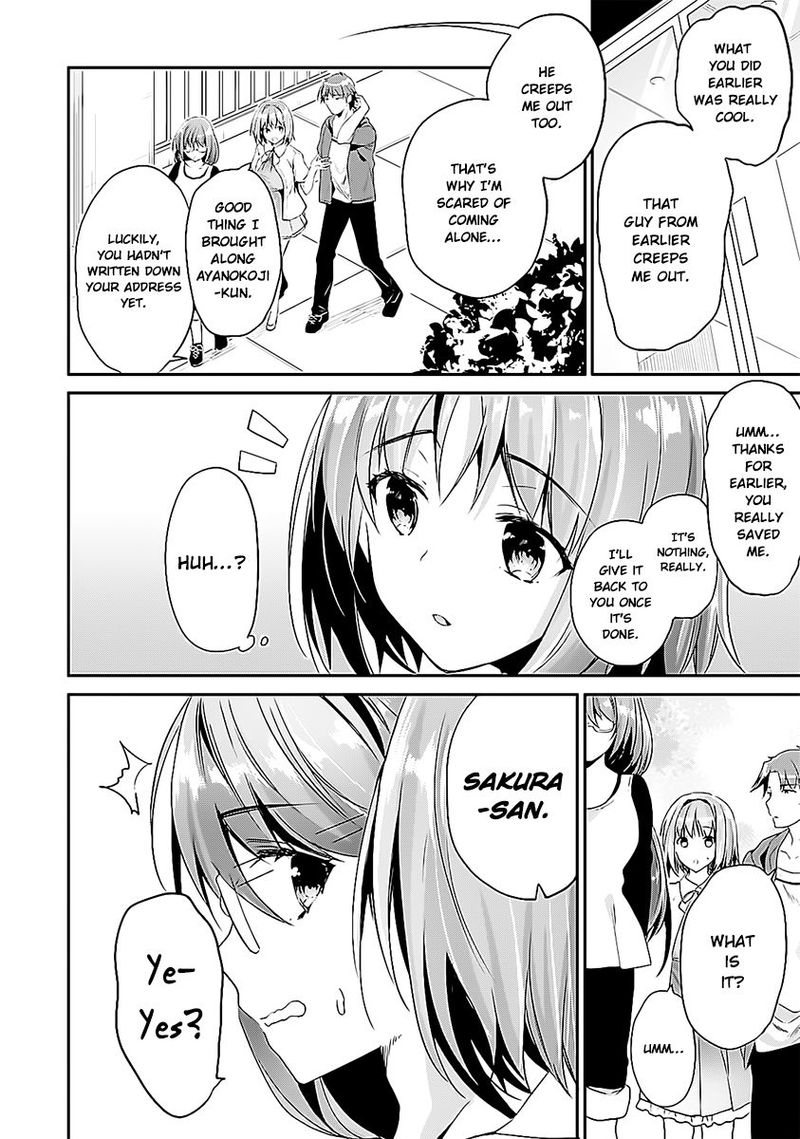
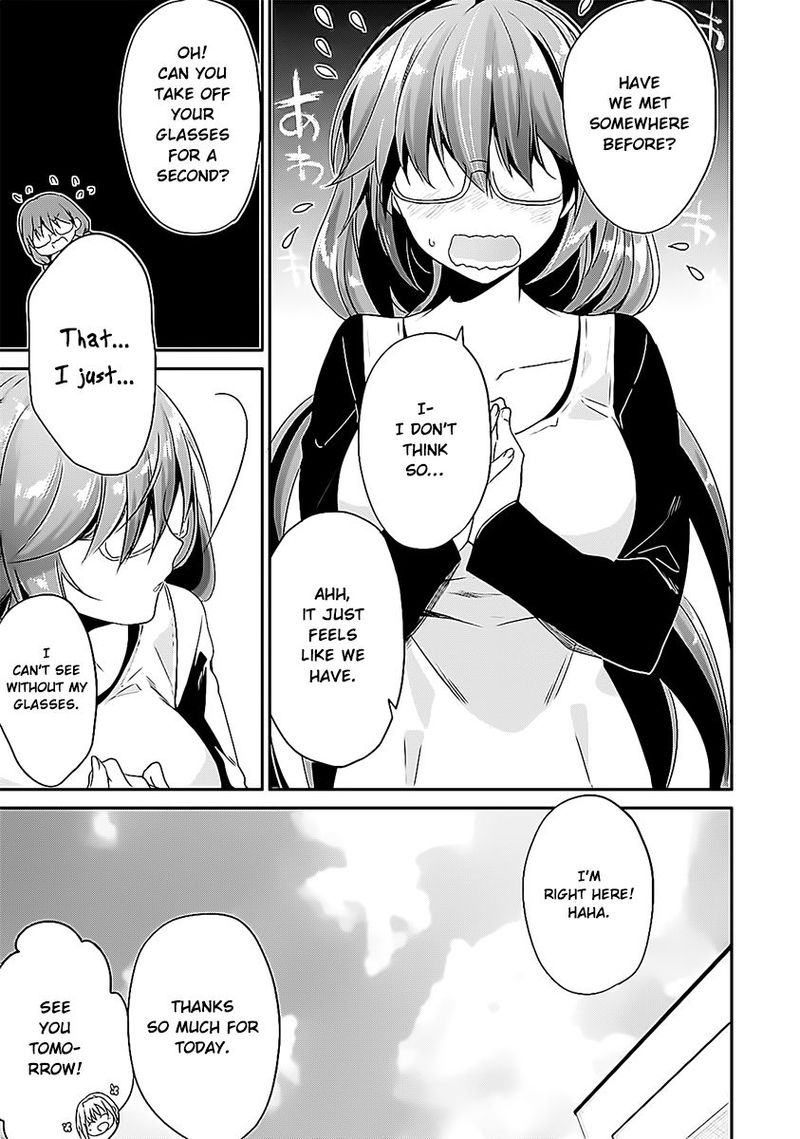
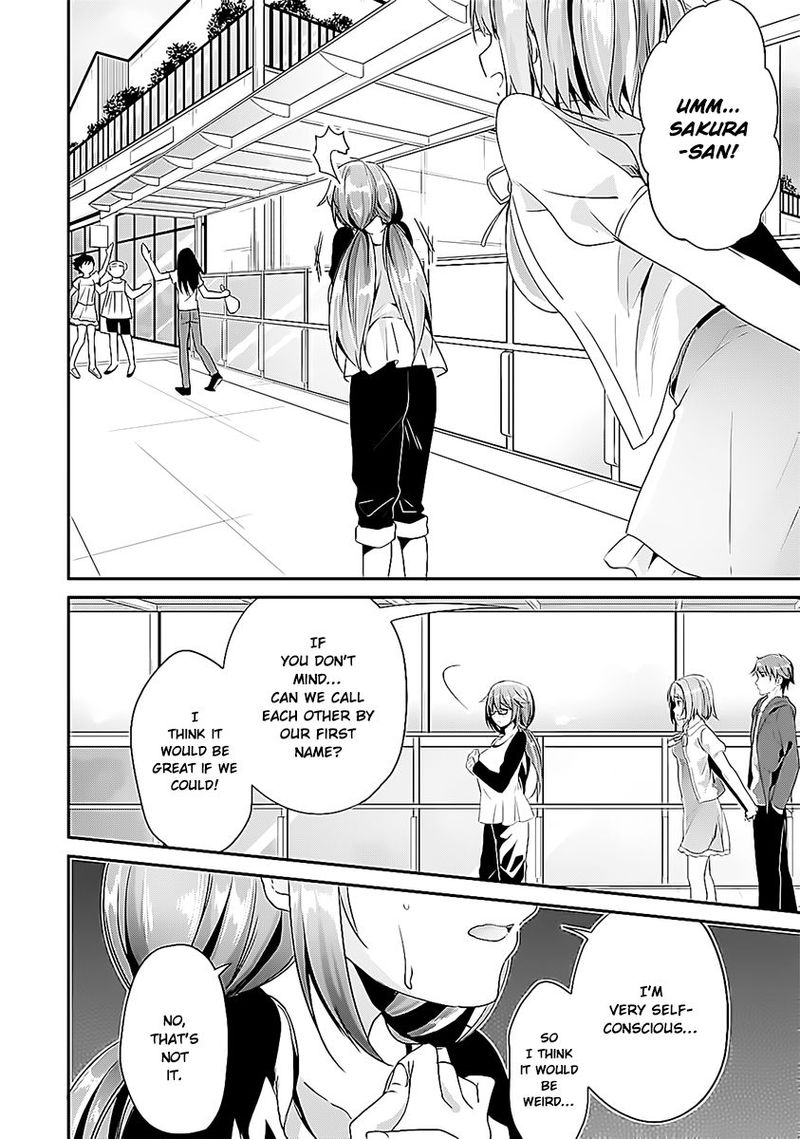
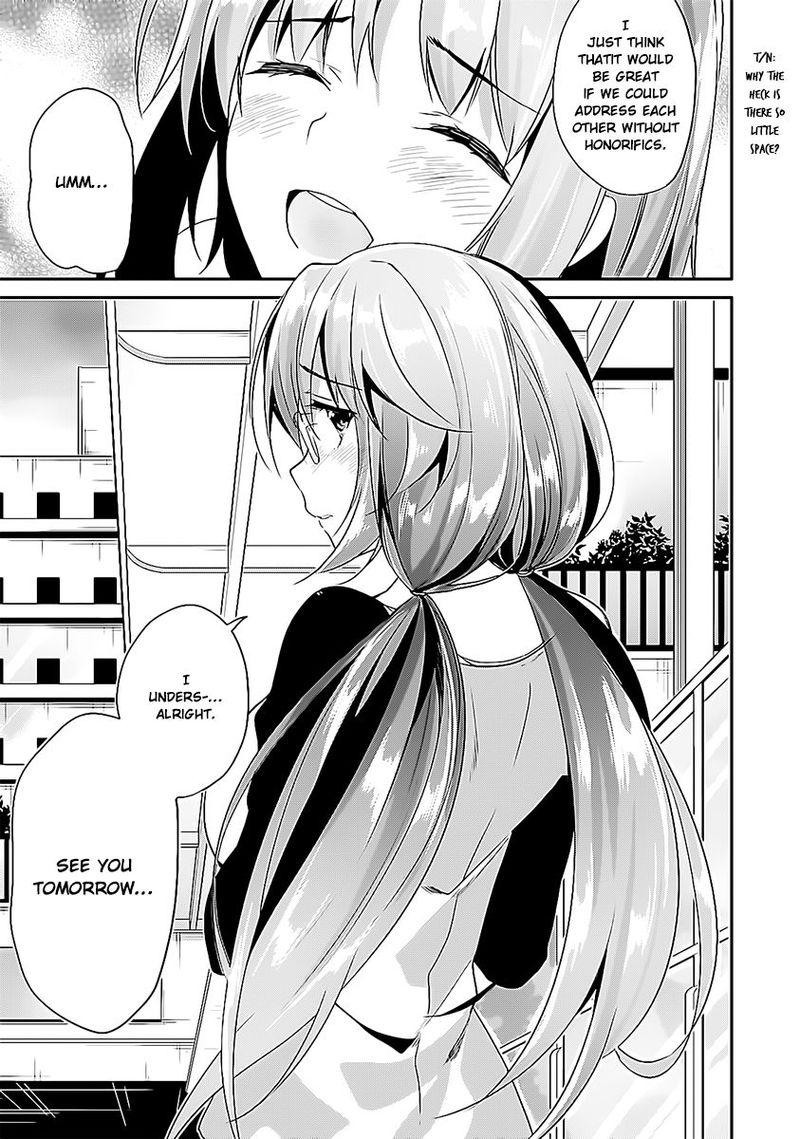
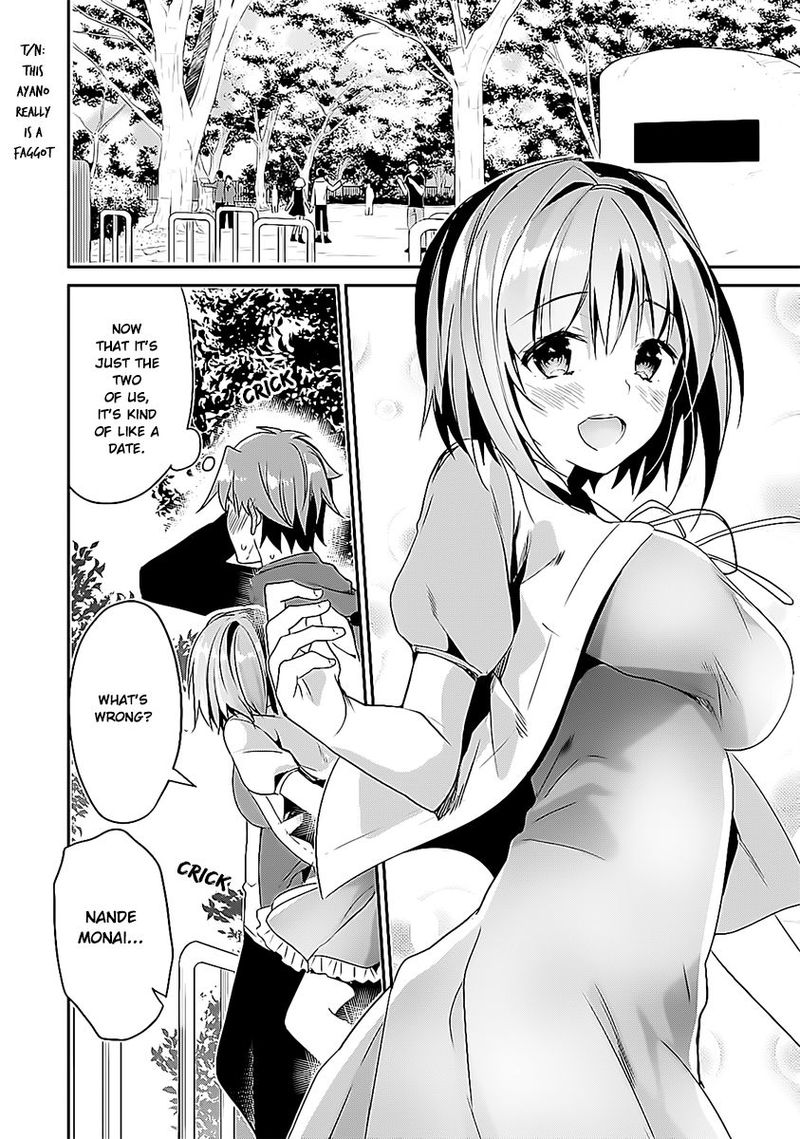
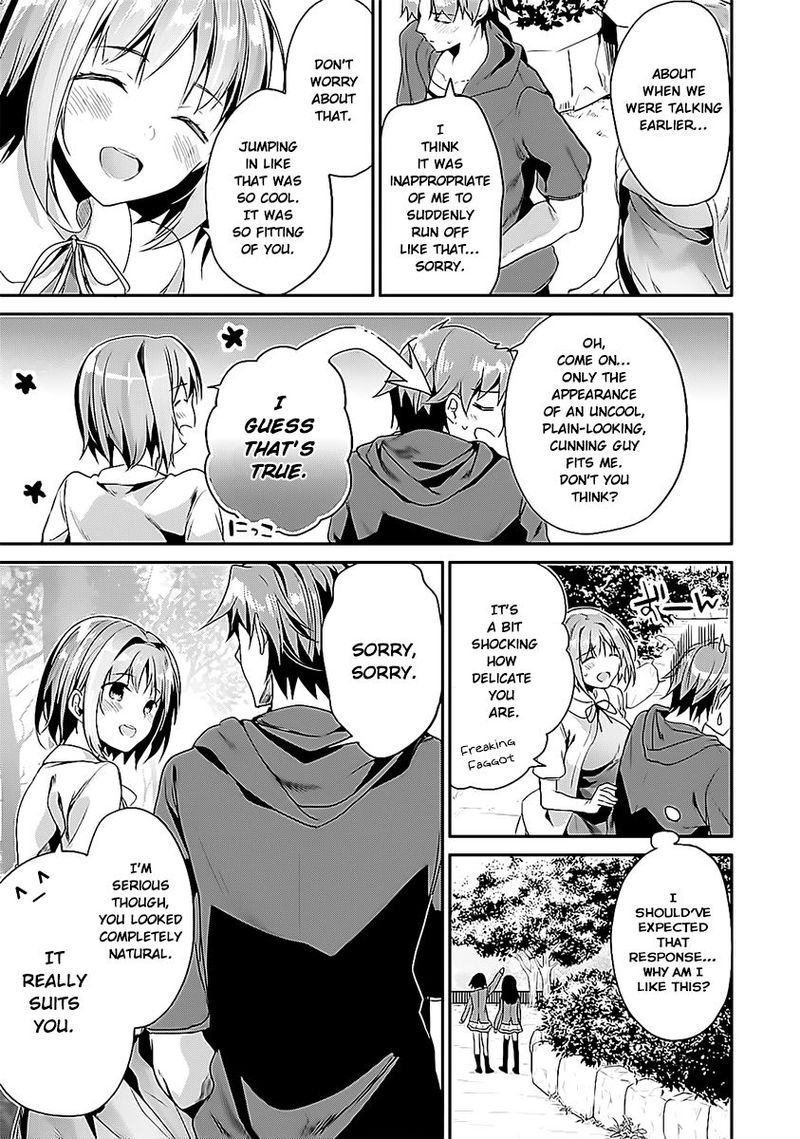
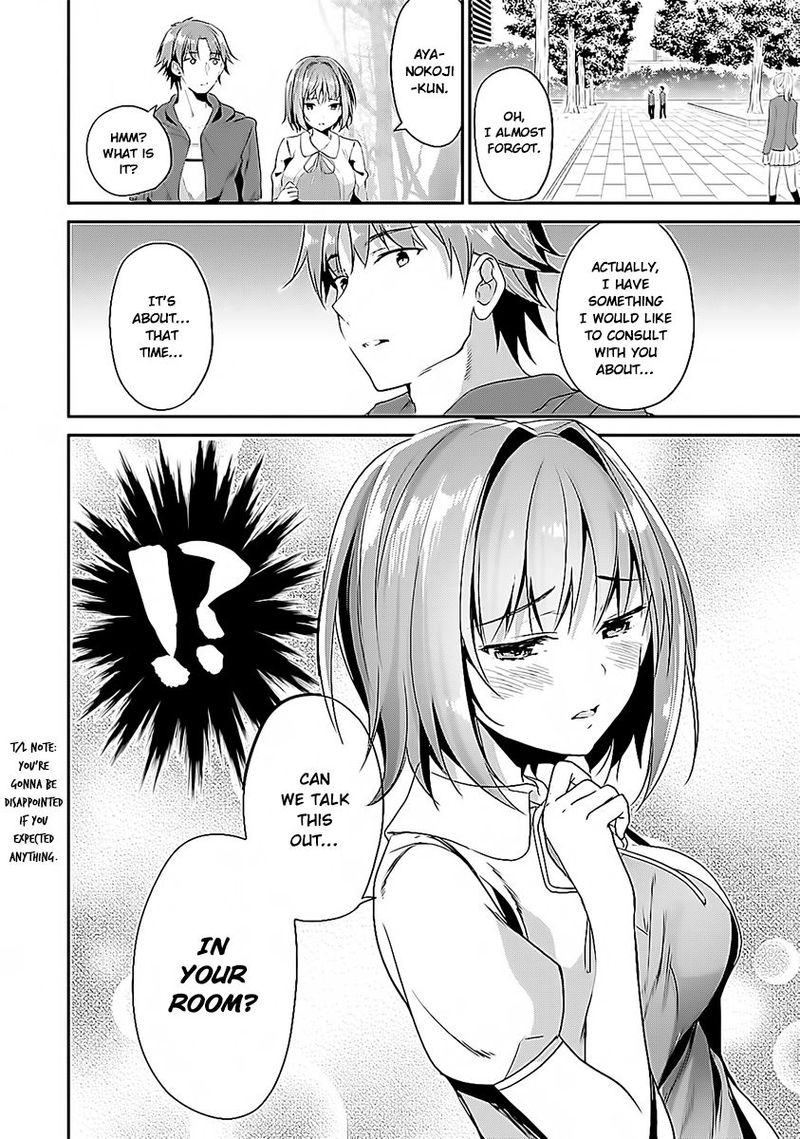
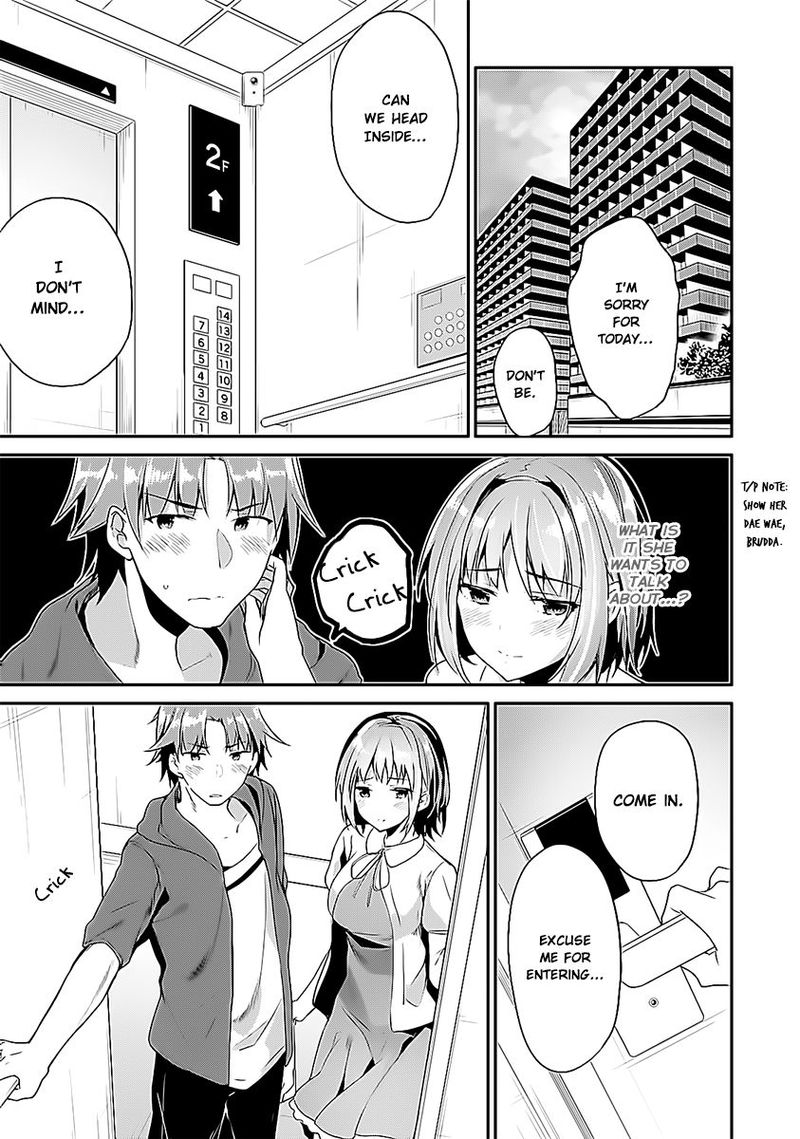
In the library, a group of students huddled around a laptop, scrolling through a PDF of the “Classroom Of The Elite Chapter 9 PDF” that had been uploaded by a senior who had managed to scan the pages before the school’s server was locked down. They examined the scanned images, noting the subtle facial expressions, the way the characters’ eyes lingered on each other, the hidden clues that hinted at deeper motives. One of them, a quiet boy named Daichi, whispered, “If we read Classroom Of The Elite chapter 9 online, we might catch something we missed in class.”
The discussion turned to the “Classroom Of The Elite Chapter 9 analysis” that some of the older students had posted on a fan forum. They debated the significance of the rope, the symbolism of the obstacle course, and the underlying message about cooperation versus competition. A few of them mentioned the “Classroom Of The Elite Chapter 9 fan translation,” noting that the English version captured nuances that the original Japanese text sometimes obscured.
As the bell rang, signaling the end of the school day, the students dispersed, each carrying with them a different piece of the puzzle. Some felt triumphant, others humbled. The Survival Exam had not only tested their abilities but also reshaped the social landscape of Class D. Alliances had shifted, hierarchies had been questioned, and the quiet observer who had once blended into the background now stood at the center of whispered speculation.
Kiyotaka walked home alone, the city lights flickering past the windows of the train. He thought about the day’s events, not in terms of victory or defeat, but as data points to be catalogued. He recalled the way Suzune’s eyes had narrowed when she realized his involvement, the way Kikyo’s smile had wavered when she saw the rope in his hand, the way Haruki’s report had praised “unexpected assistance.” Each observation was a thread in a larger tapestry, one he intended to weave with patience and precision.
He arrived at his apartment, a modest space with a single desk and a bookshelf filled with textbooks and a few novels. He sat down, opened his notebook, and began