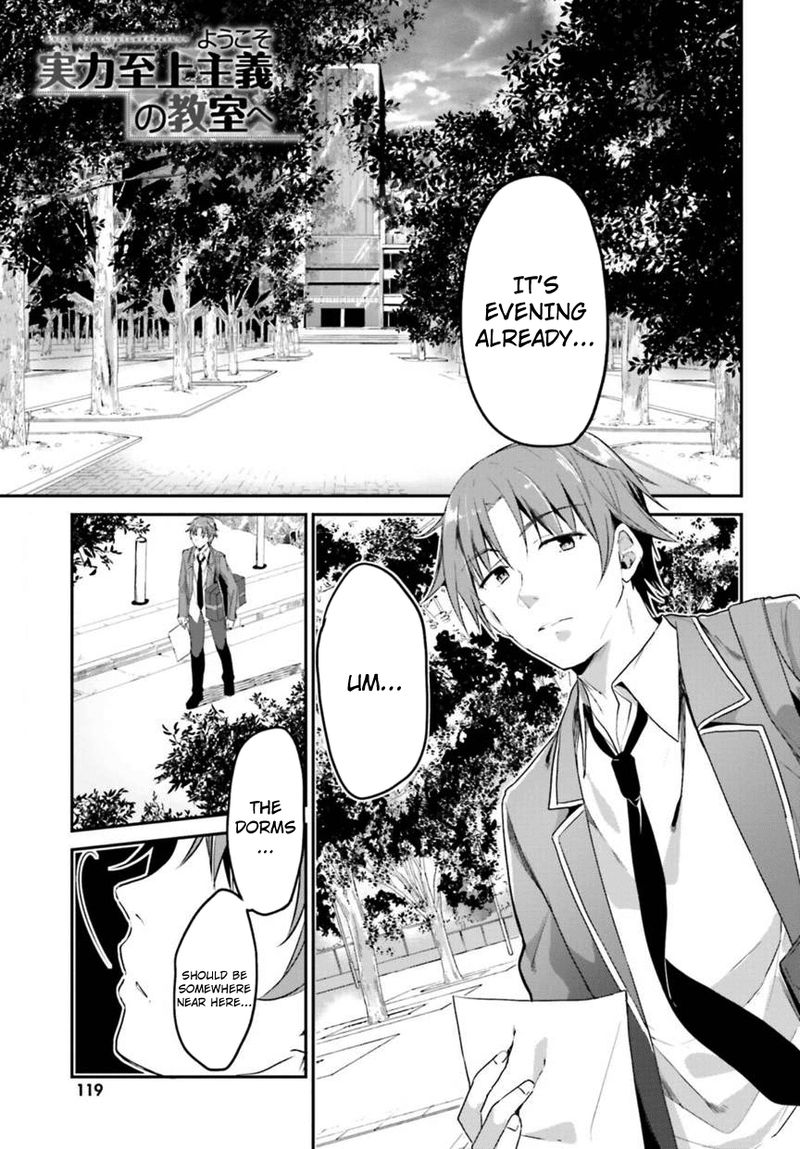
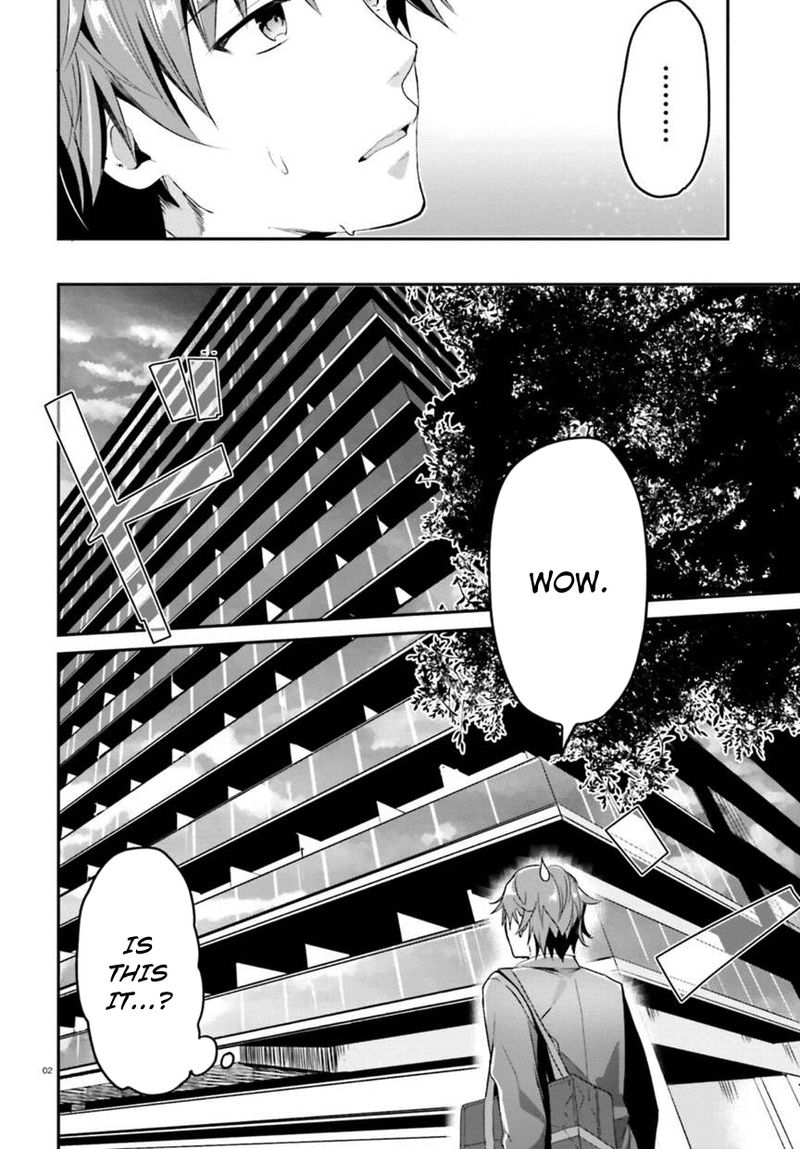

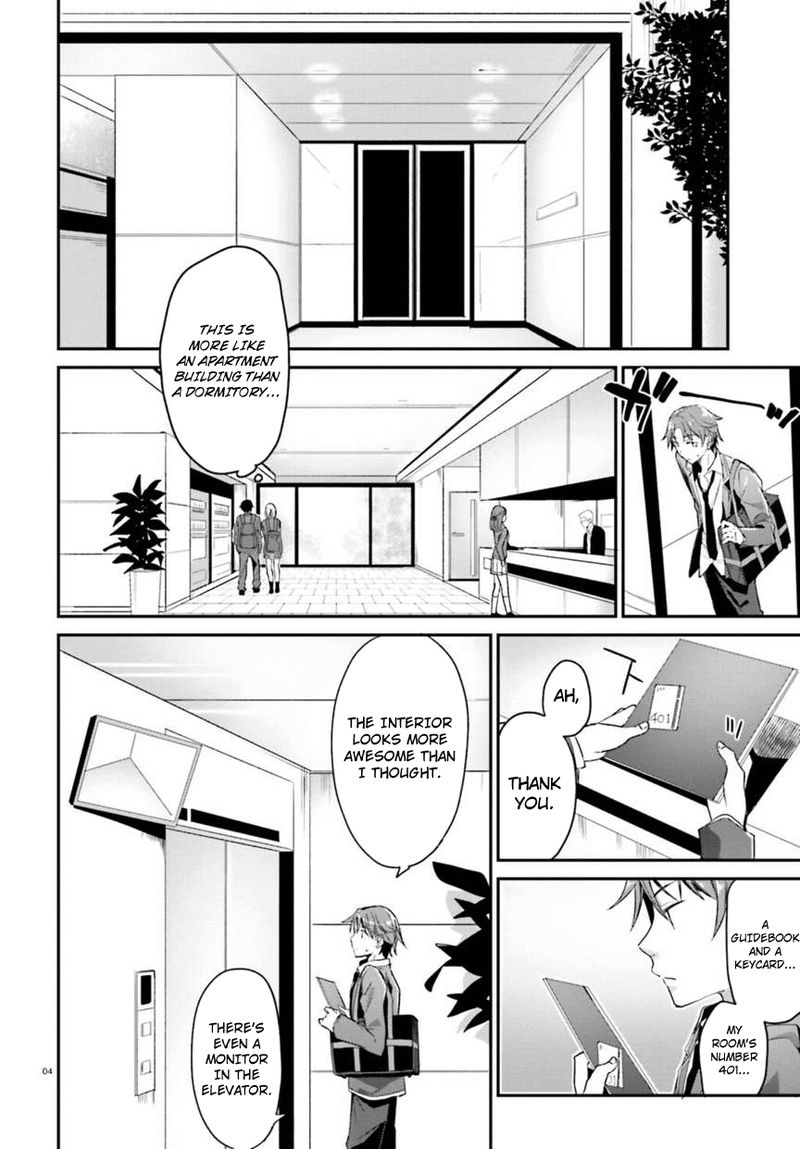
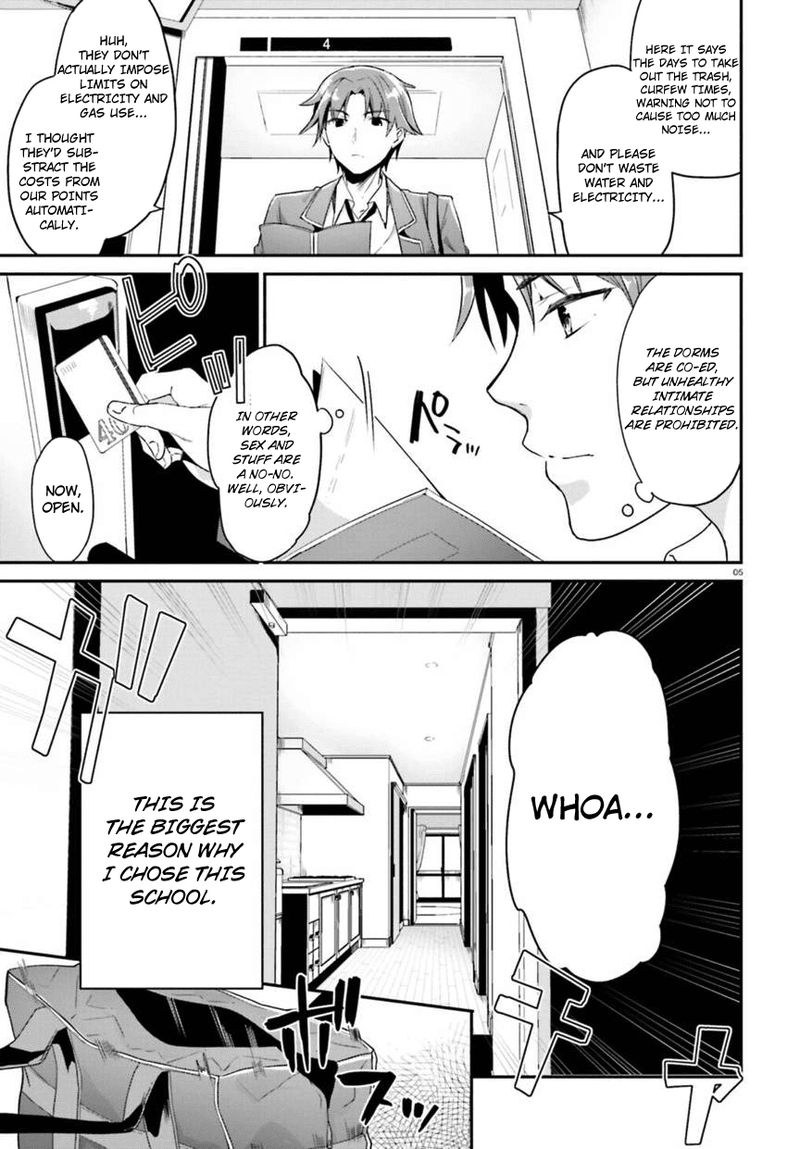
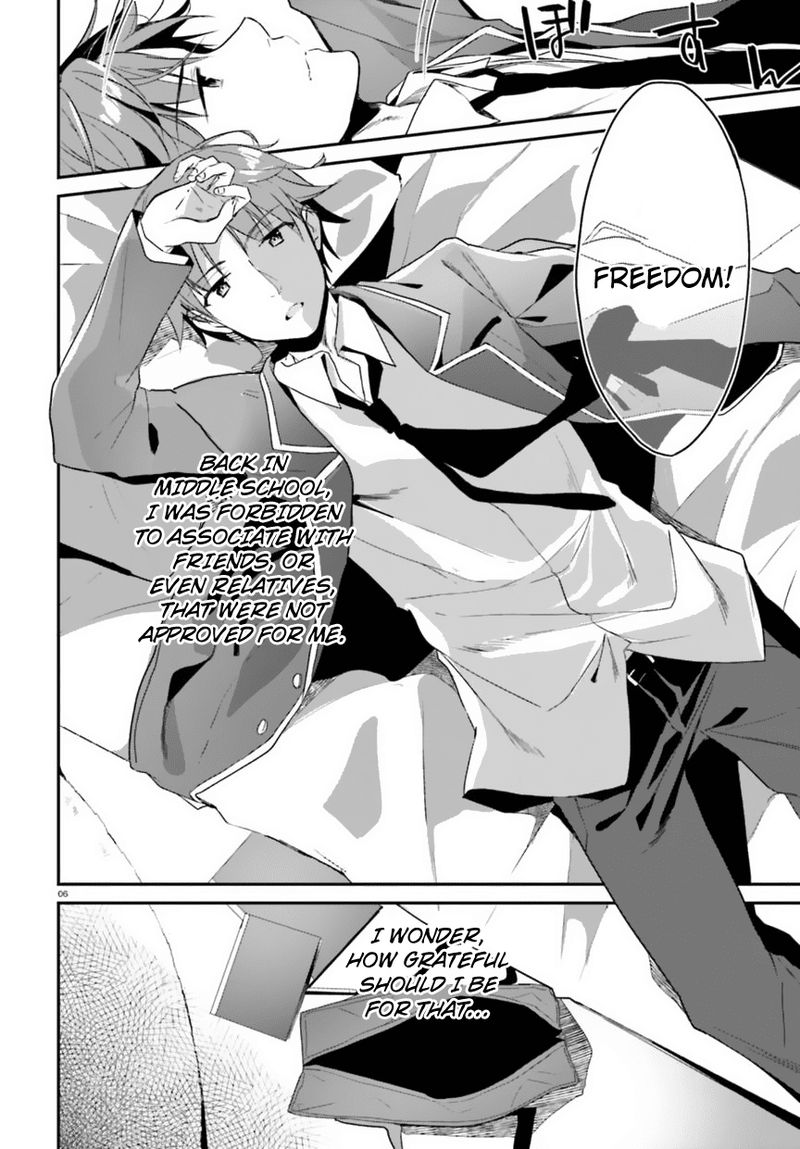
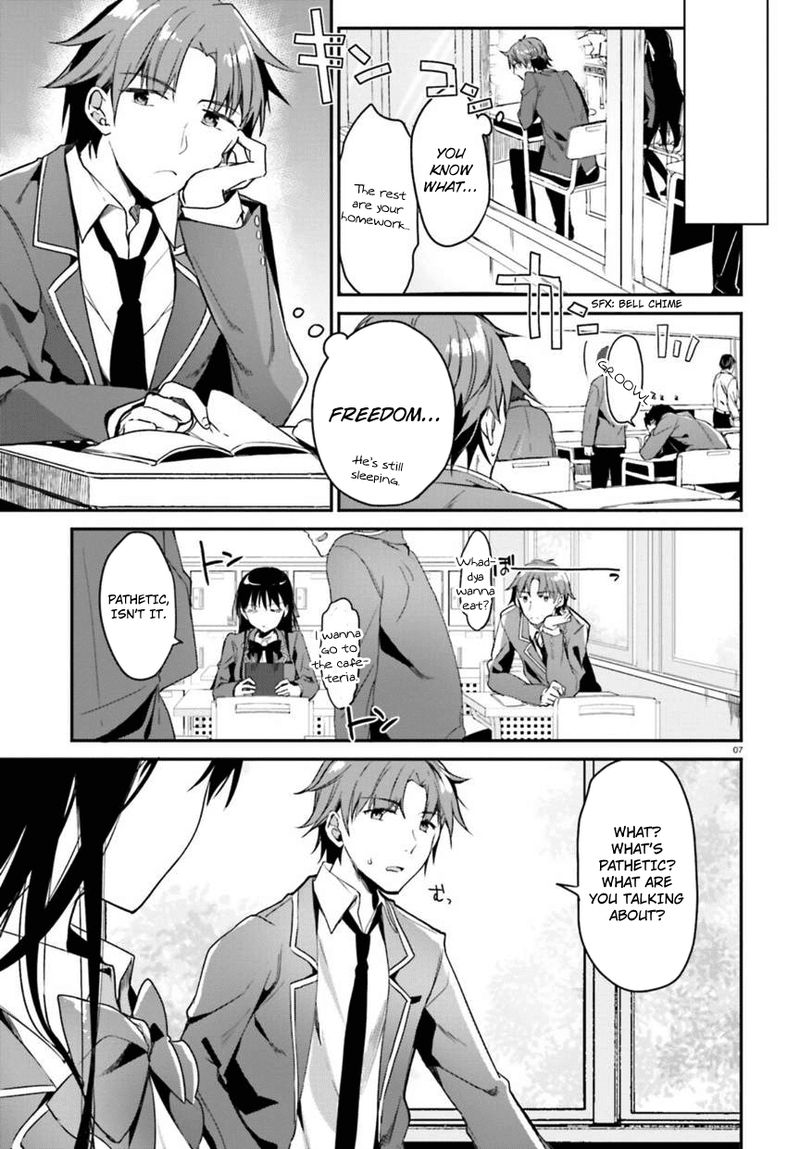
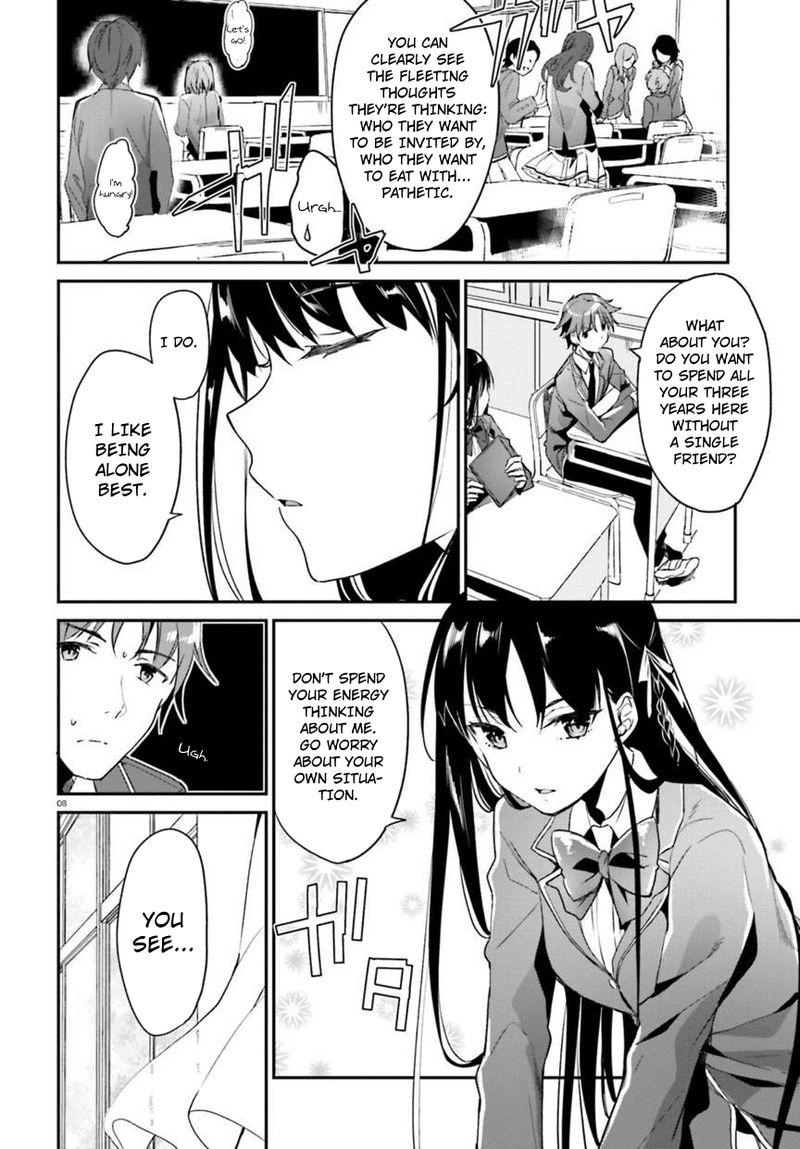
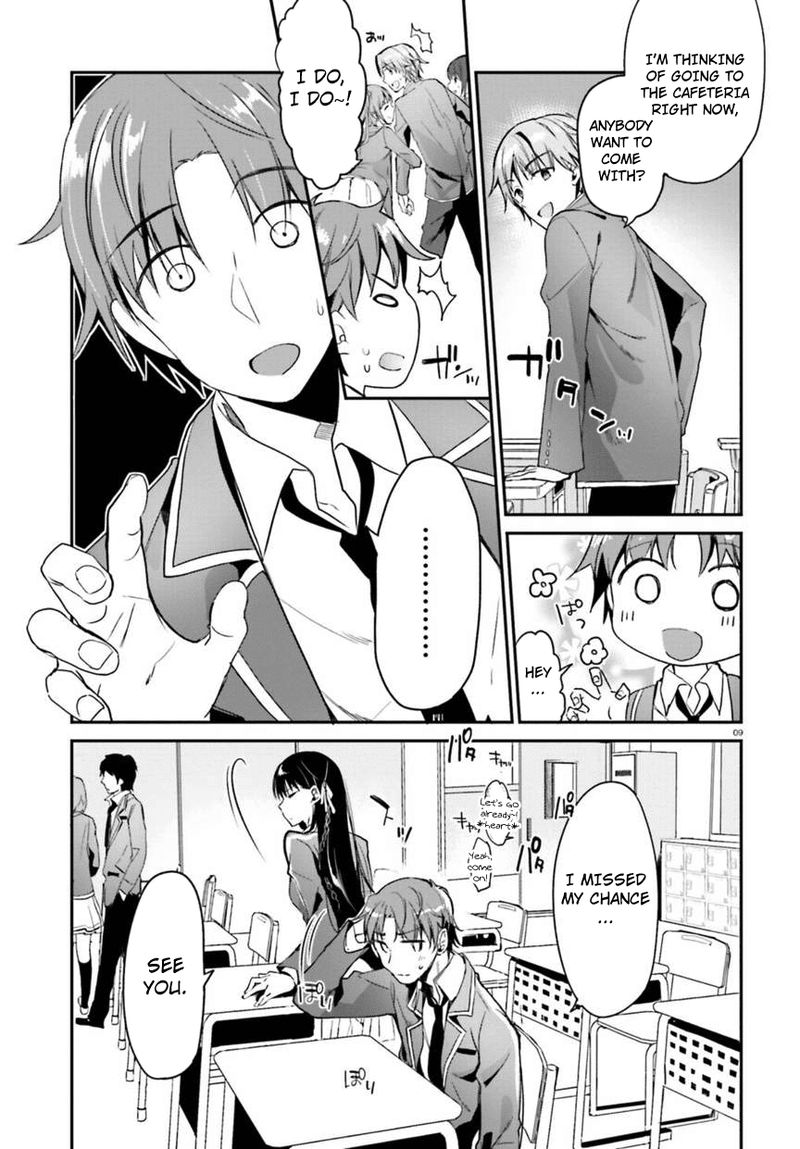
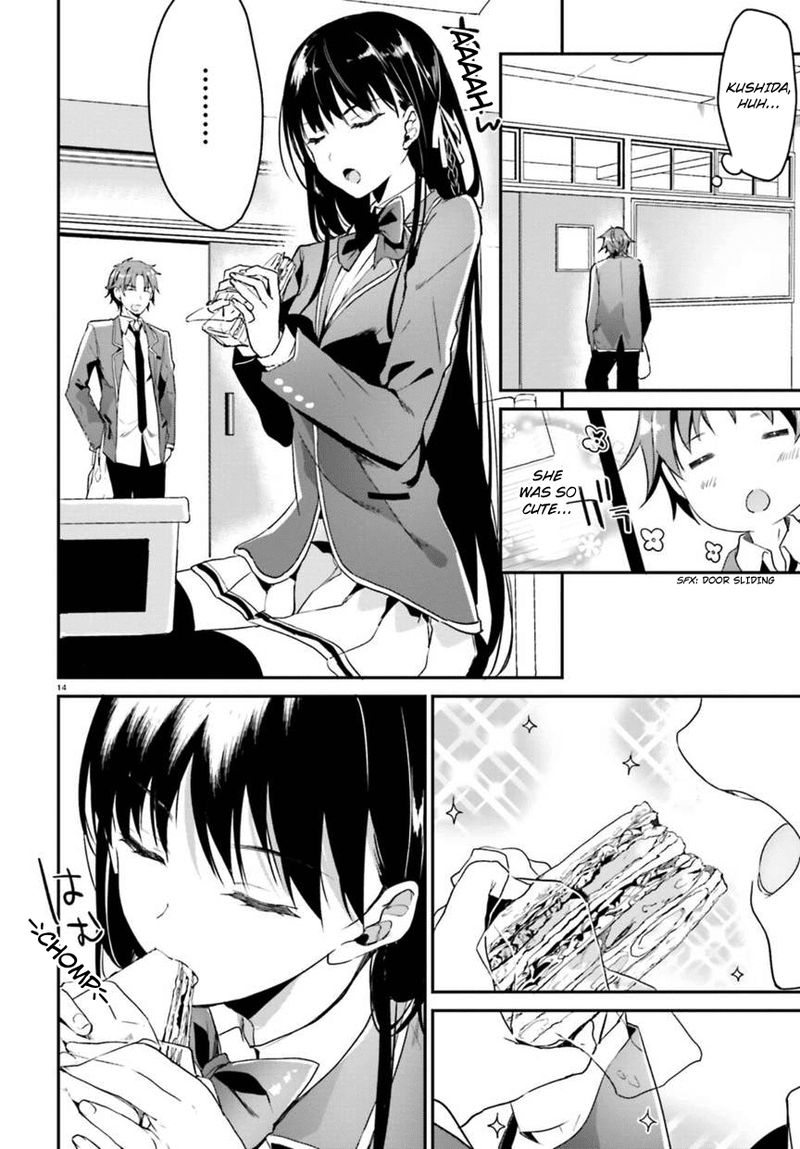
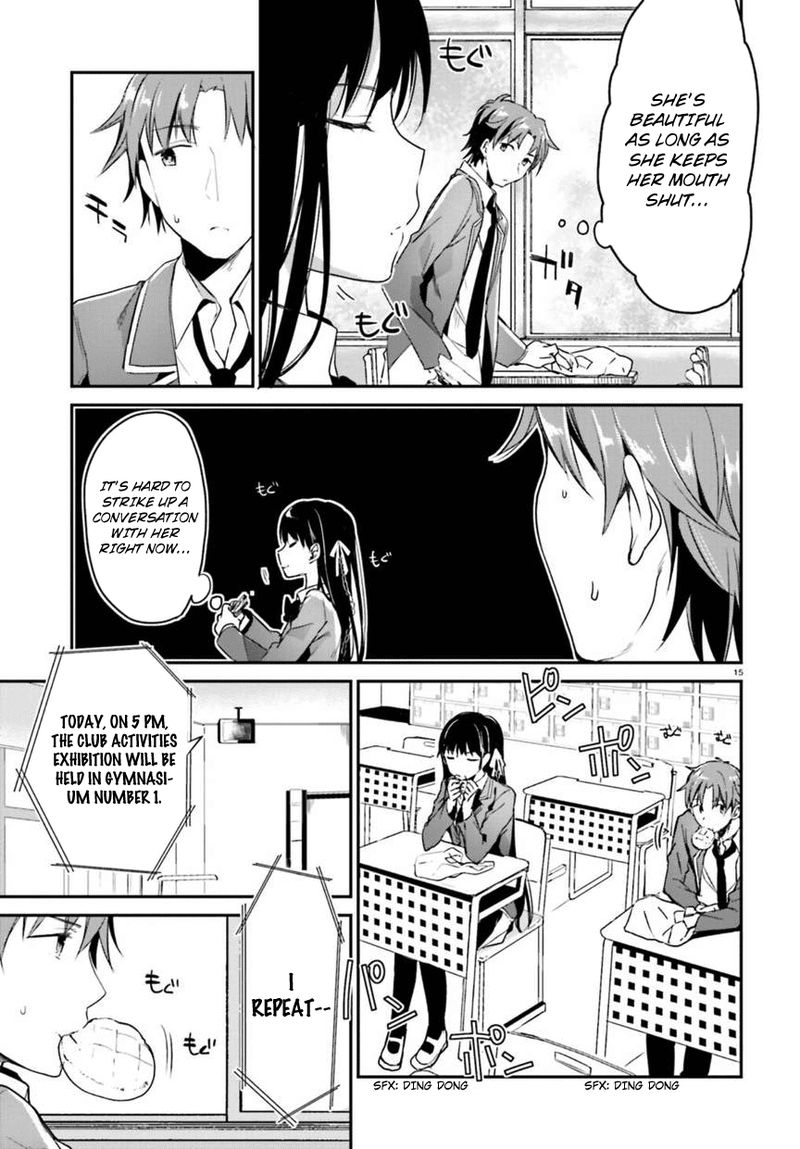
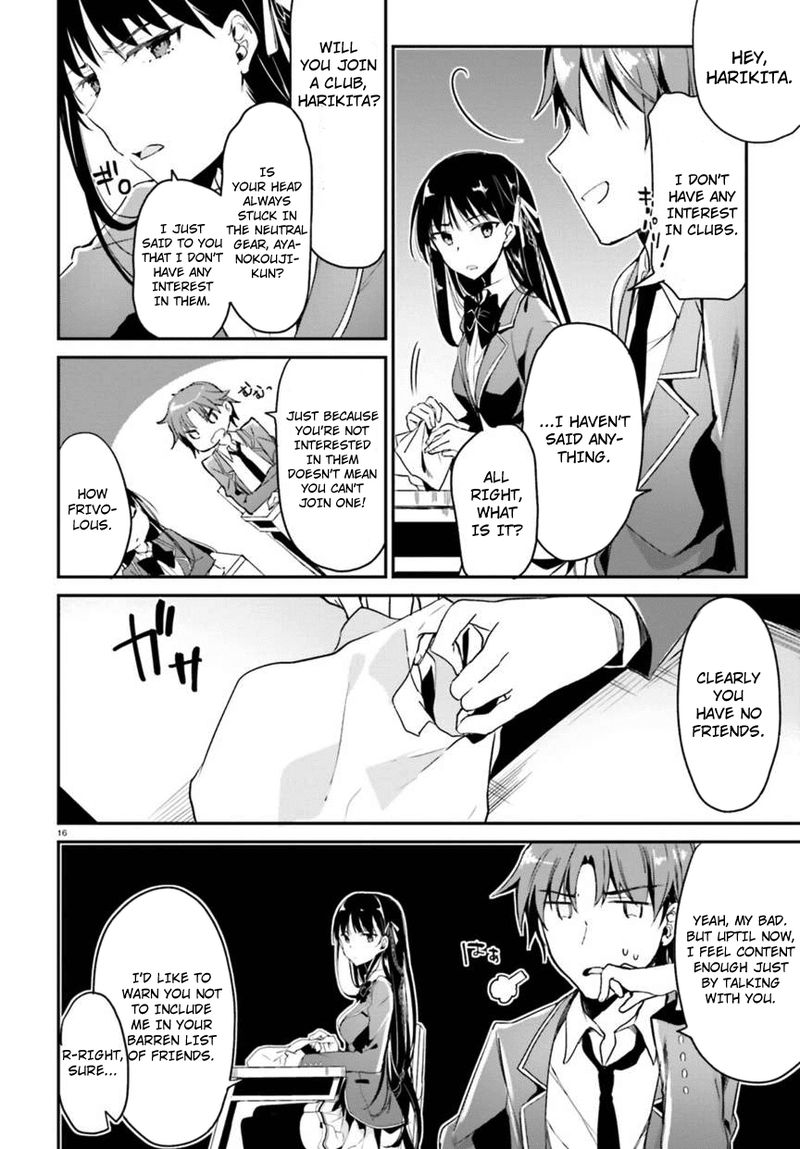
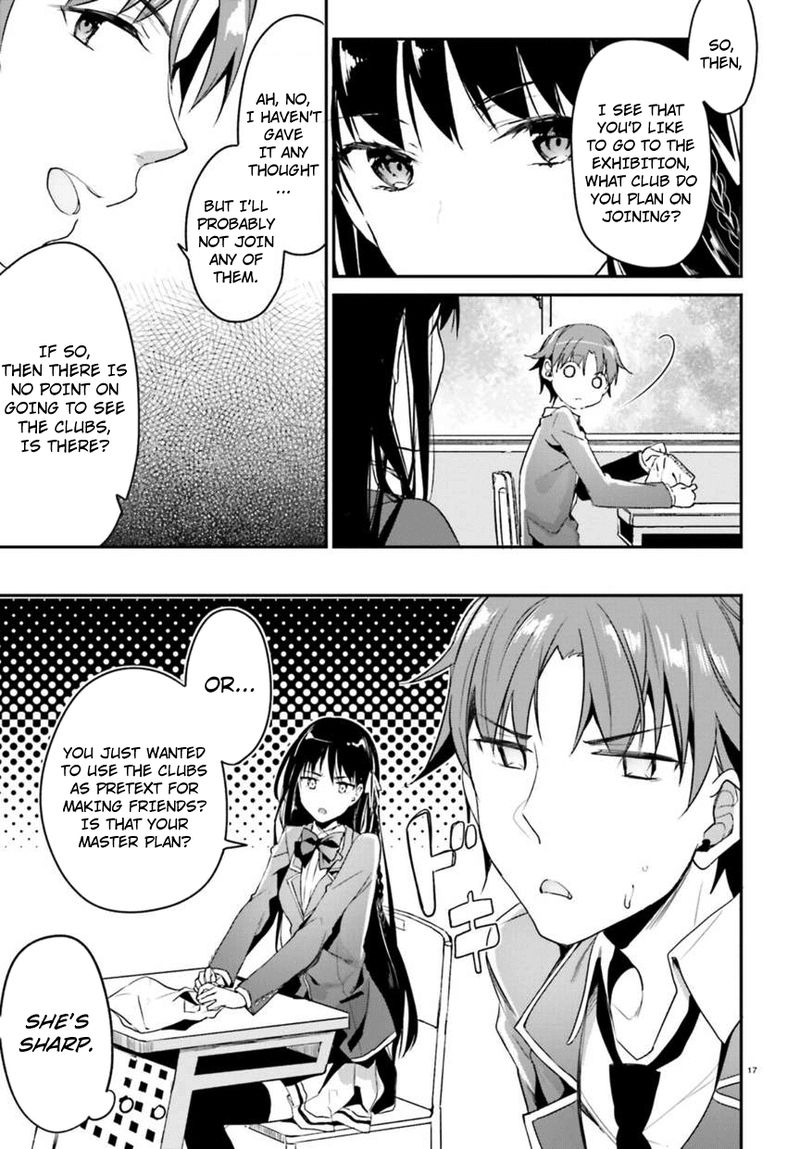
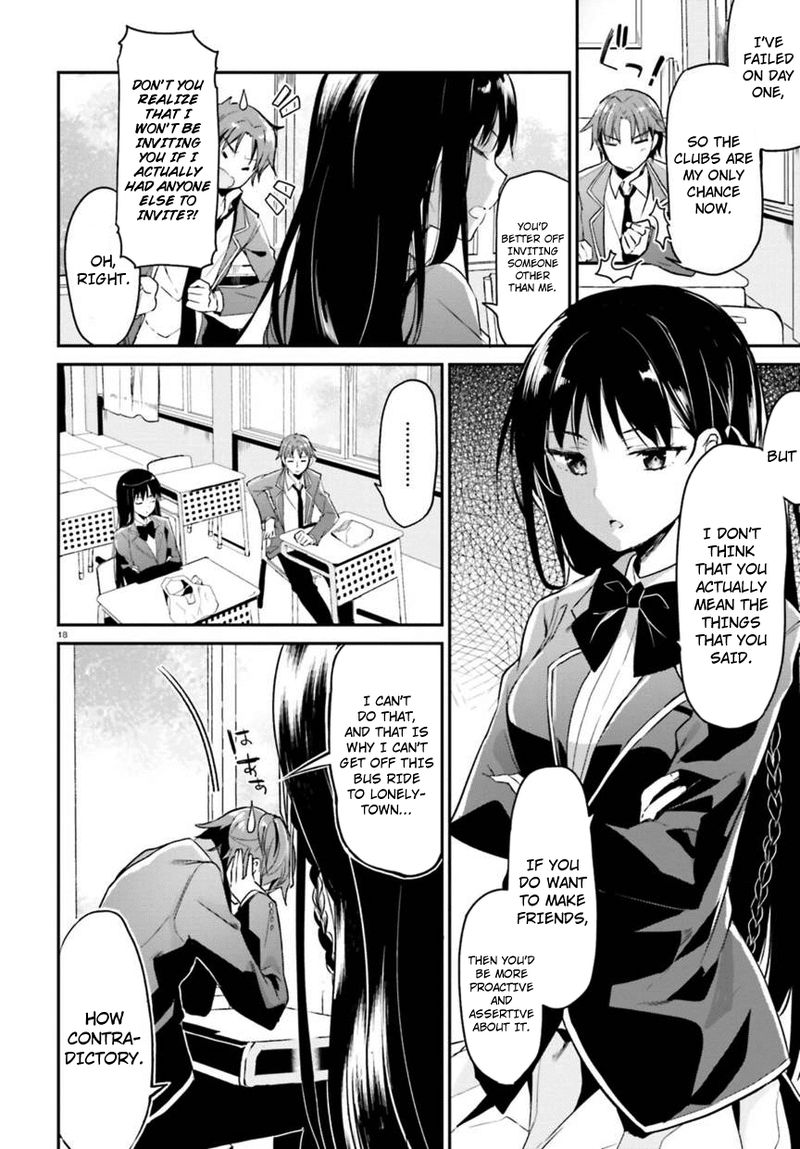
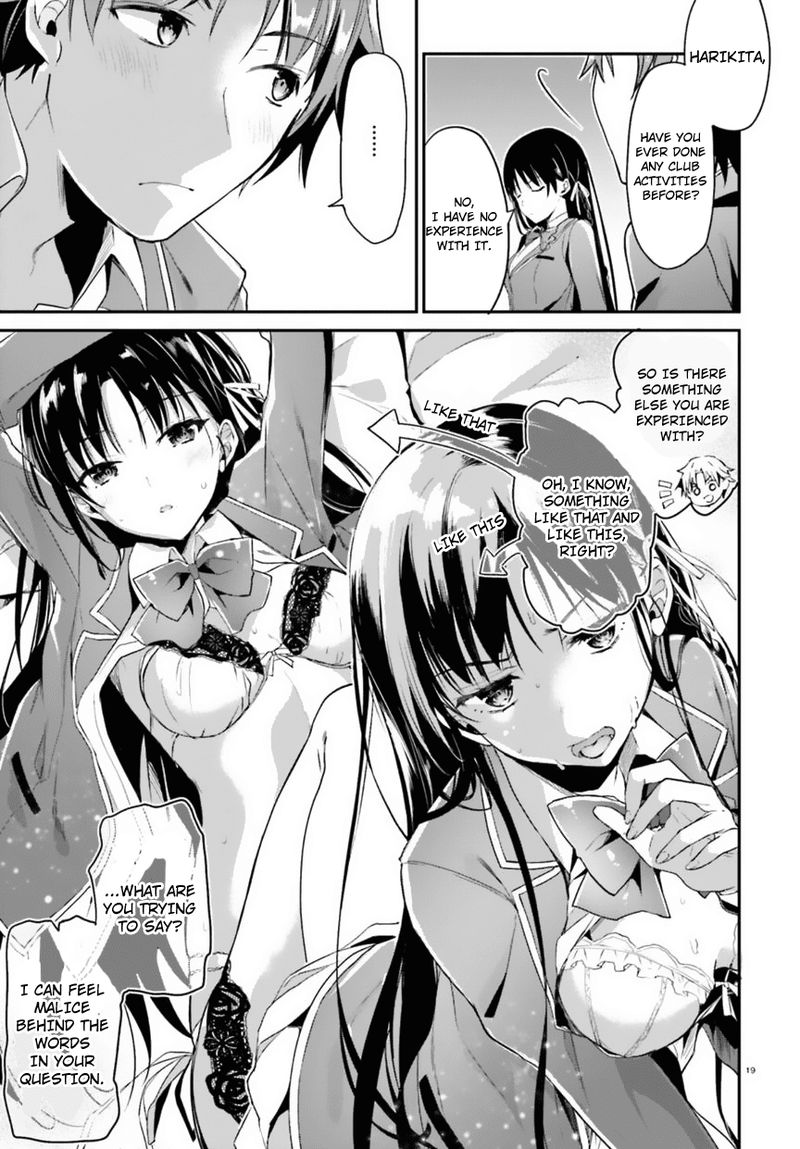
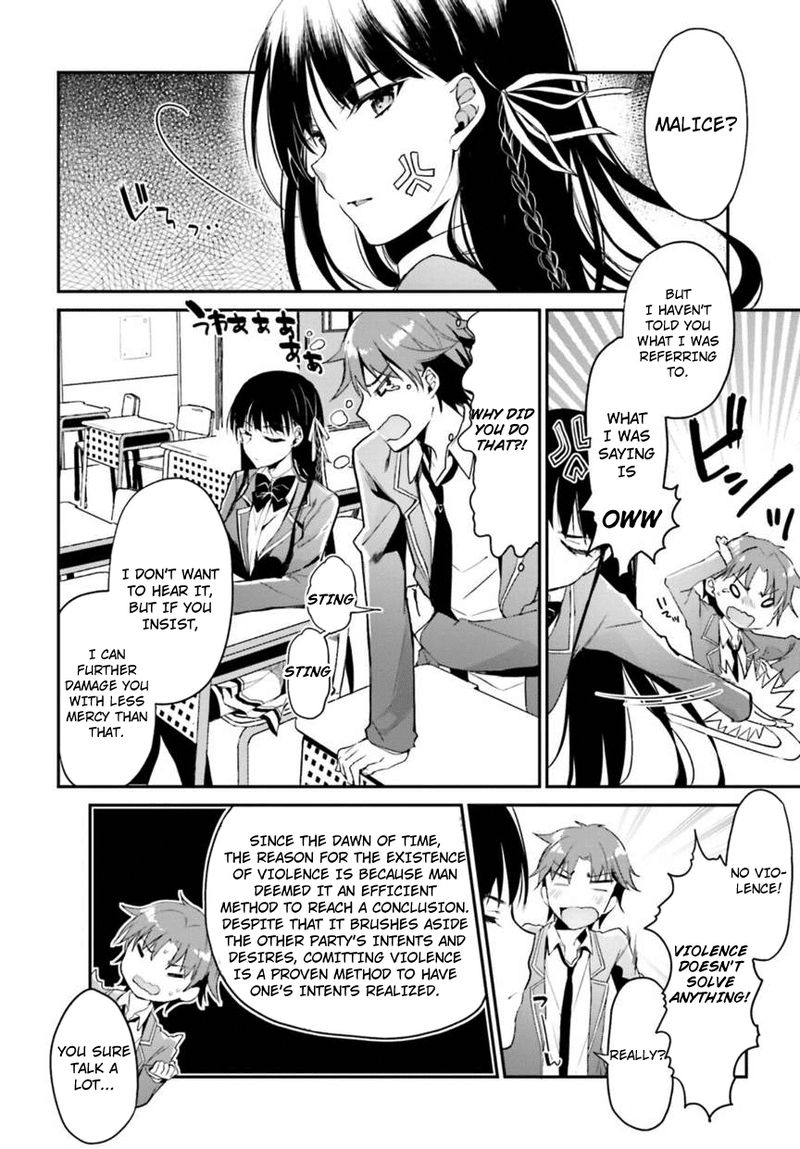
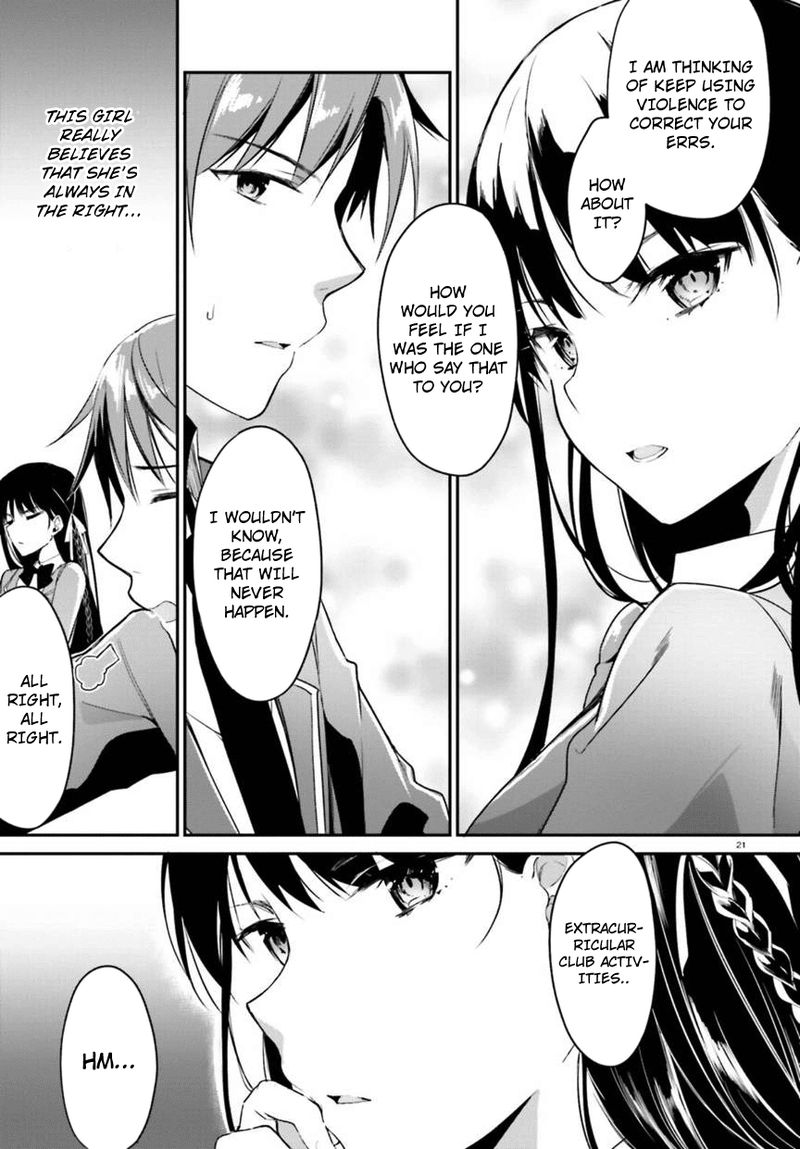
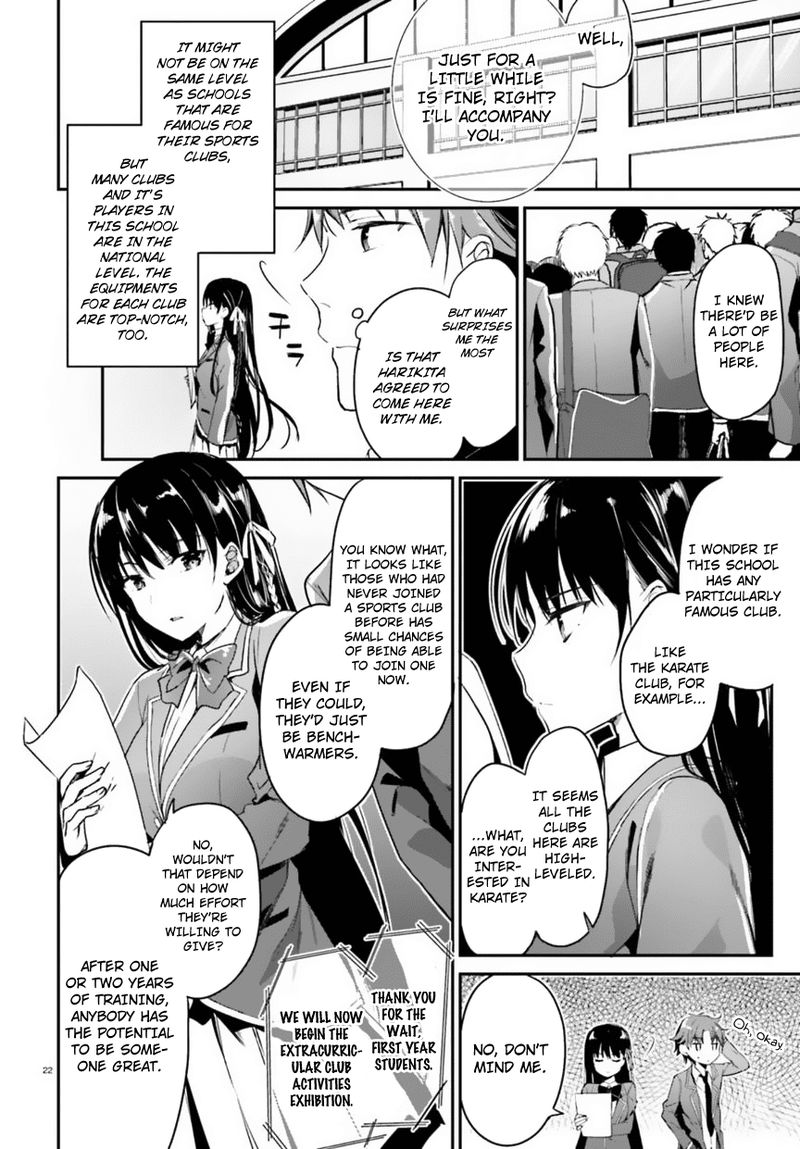
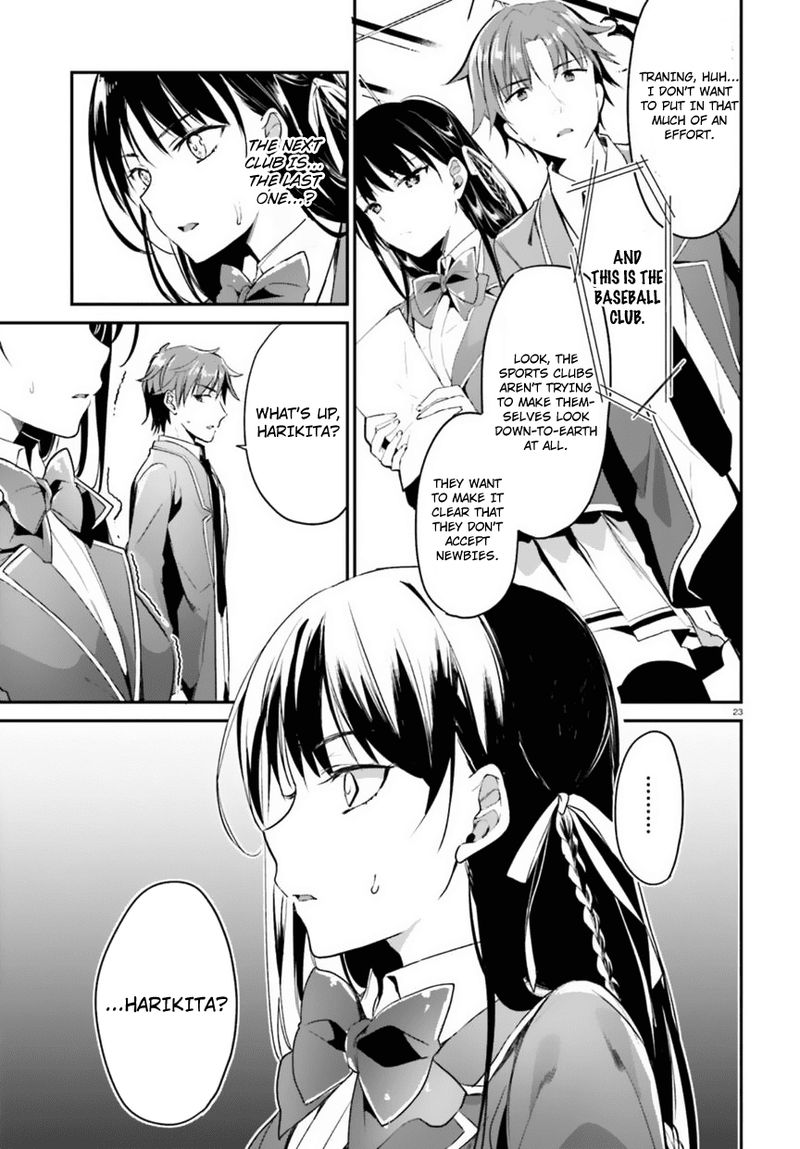
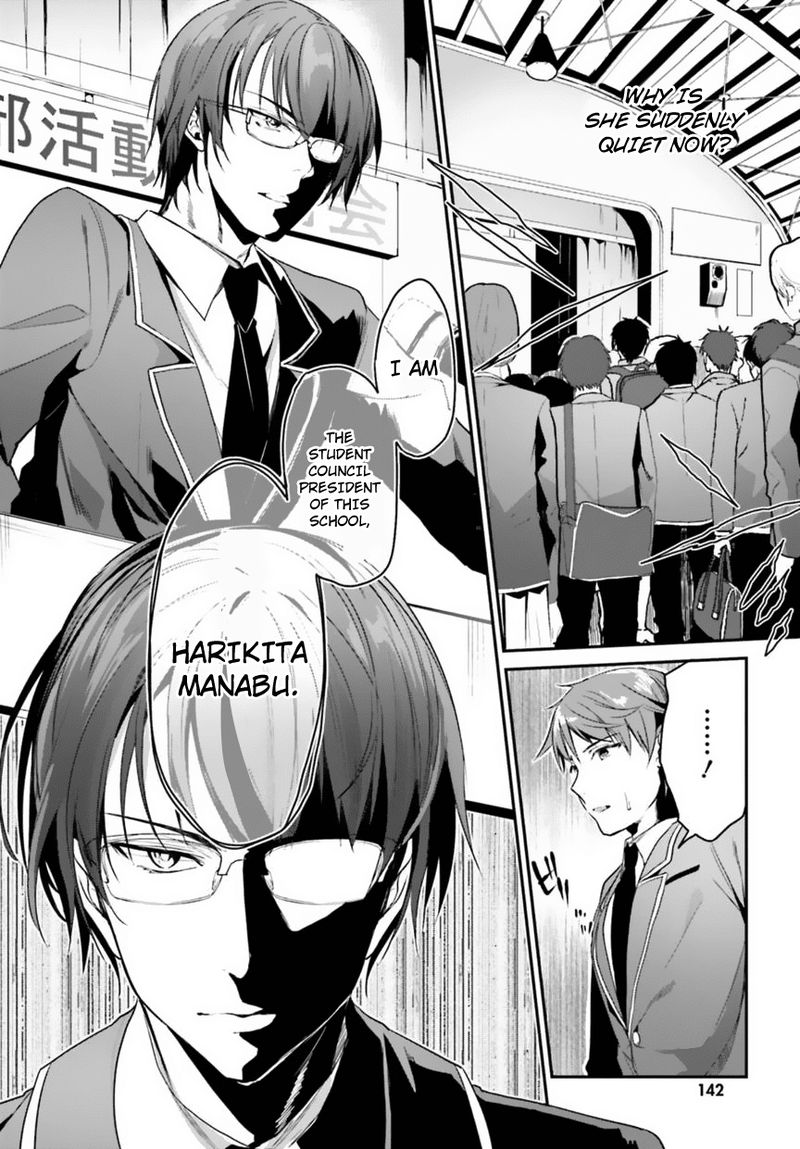
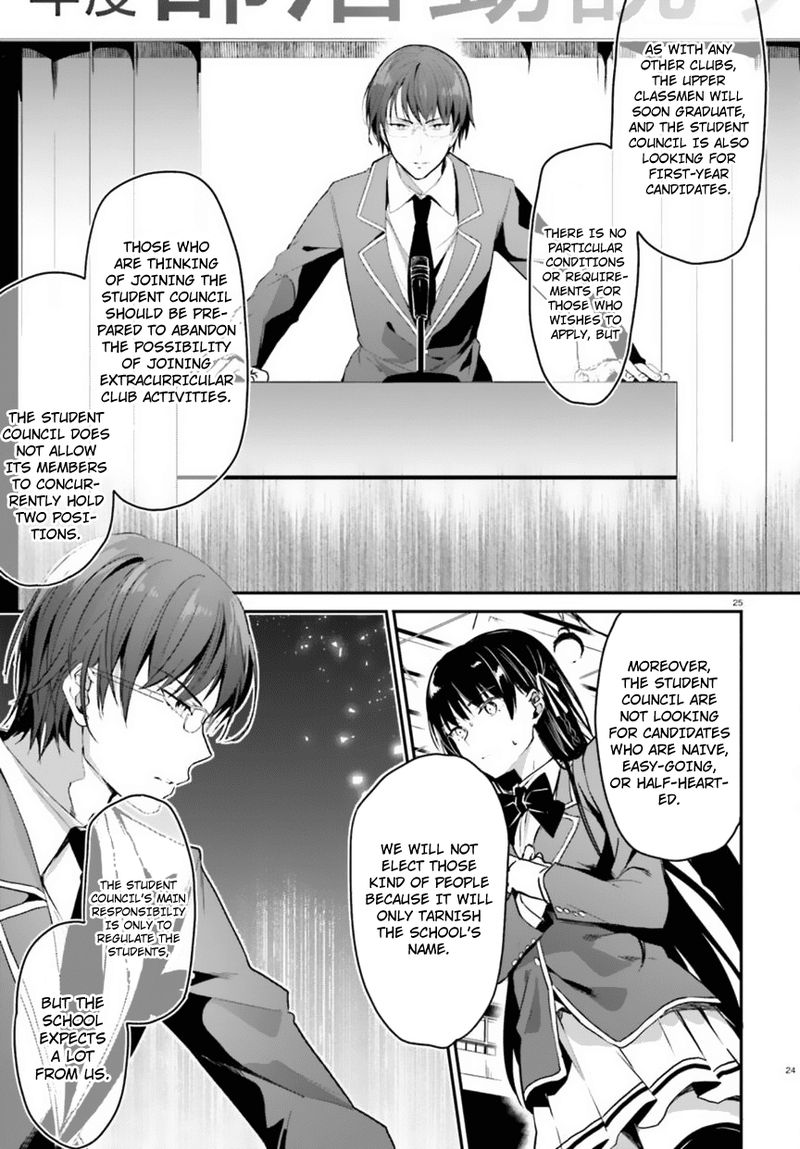

Chapter 2 Summary
The morning sun slipped through the high glass panes of the newly built academy, casting a thin lattice of light across the polished marble floor. The building itself seemed to breathe, a living organism of steel and glass that promised both opportunity and oppression. For the handful of students who had just passed the grueling entrance exam, the campus was a maze of possibilities, each corridor a potential path to the future they had imagined in the quiet corners of their lives.
Kiyotaka Ayanokouji stood at the edge of the main atrium, his posture relaxed, his eyes hidden behind a pair of dark glasses that seemed to mute the world around him. He had arrived at the academy with the same indifferent calm that had carried him through the endless drills of his past, a past he never spoke of and never fully understood. The entrance exam had been a test of more than academic knowledge; it had measured adaptability, social awareness, and the ability to conceal one’s true intentions. Kiyotaka had passed, but the result of the exam was not a simple score. It was a ranking that would determine the class each student would be assigned to, and the class would dictate the resources, privileges, and expectations placed upon them.
A soft murmur rose from the crowd as the dean stepped onto the podium, his voice resonating through the hall. “Welcome, new students, to the first day of school. Your performance on the entrance exam has placed you into one of four classes: A, B, C, or D. Class A will receive the most support, the best facilities, and the highest expectations. Class D will be given the fewest resources, the most stringent conditions, and the greatest freedom to fail. Your class will be announced shortly.”
The words hung in the air like a promise and a threat. Kiyotaka’s mind, ever the quiet observer, catalogued the reactions of those around him. Some faces lit up with anticipation, others fell into a quiet dread. He felt a faint tug at the back of his mind, a reminder that the system was designed not just to educate but to stratify, to turn students into living experiments of social hierarchy.
When the dean finally called out the names, the list seemed to stretch endlessly. Kiyotaka’s name appeared near the middle, followed by a brief pause, then the words “Class D” echoed across the atrium. A ripple of disappointment passed through the crowd, but Kiyotaka’s expression remained unchanged. He had expected this; his past had taught him that the most valuable lessons were learned in the harshest environments.
As the students filtered into their assigned classrooms, Kiyotaka found himself walking toward a modest door marked “Class D.” The hallway leading to it was lined with lockers that bore the scars of previous occupants—scratches, stickers, and the occasional scribbled note. He opened the door and stepped into a room that felt more like a holding cell than a classroom. The walls were a muted gray, the desks simple metal tables, and the windows were small, allowing only a sliver of daylight to filter in.
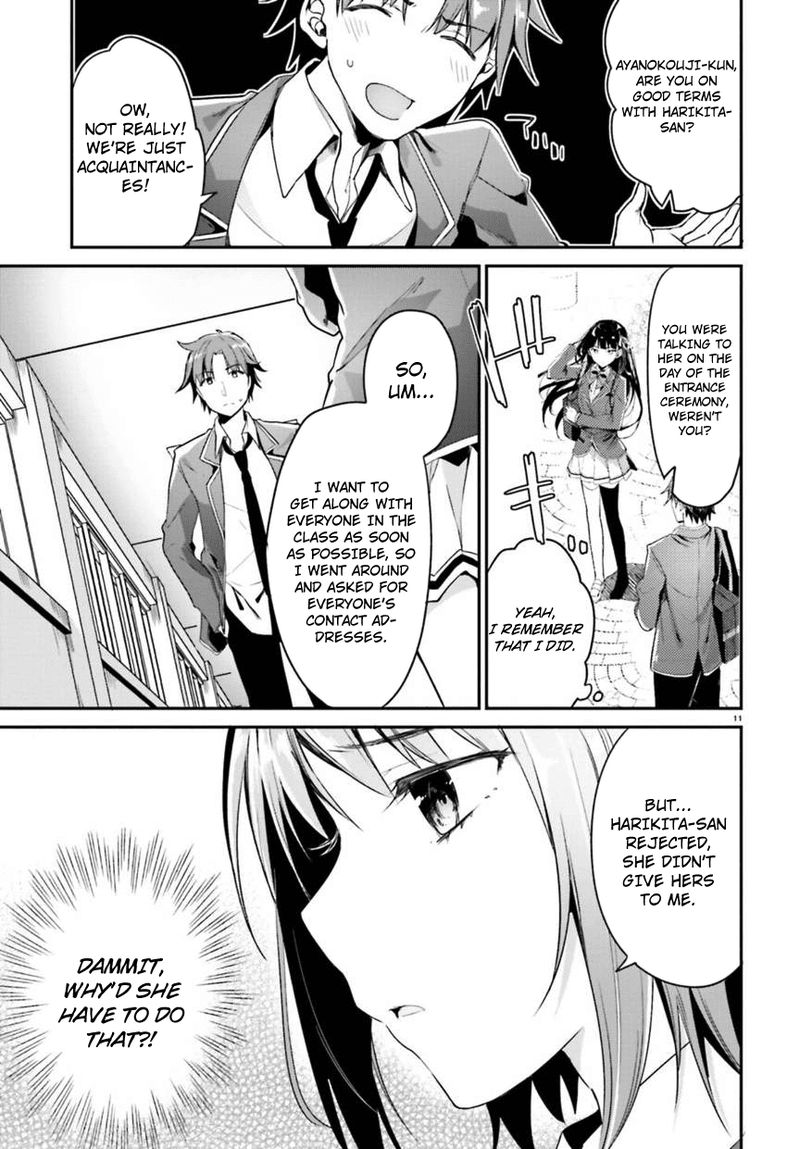
At the front of the room stood a tall, slender girl with sharp eyes and a composed demeanor. Her hair was tied back in a neat ponytail, and she wore the standard uniform with an air of authority that seemed out of place among the other students. Suzune Horikita surveyed the room with a measured gaze, her posture rigid, her expression unreadable. She was the class representative, a role she had earned through a combination of intellect and an unyielding desire to rise above the constraints imposed upon her.
“Welcome to Class D,” Horikita said, her voice clear and precise. “I am Suzune Horikita, and I will be your class representative. Our goal is simple: survive the system, understand its mechanisms, and eventually rise to a position where we can influence it. We have limited resources, but we have each other. Cooperation will be essential.”
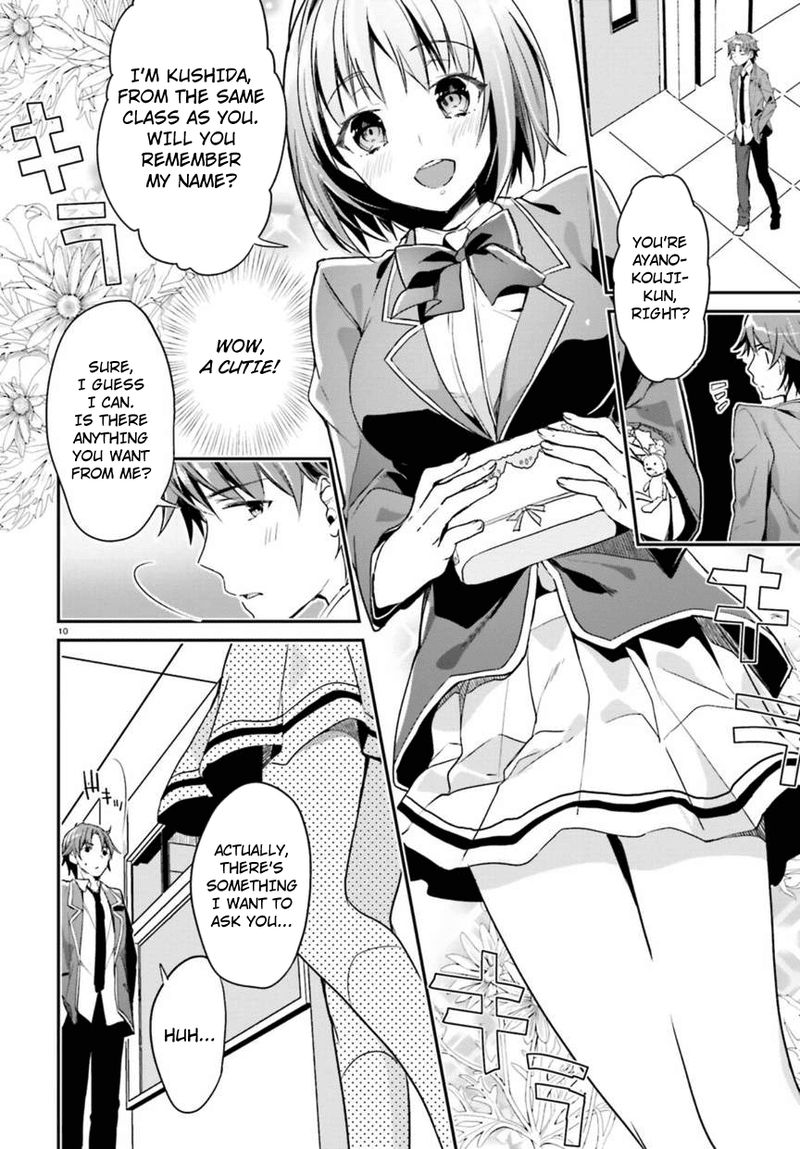
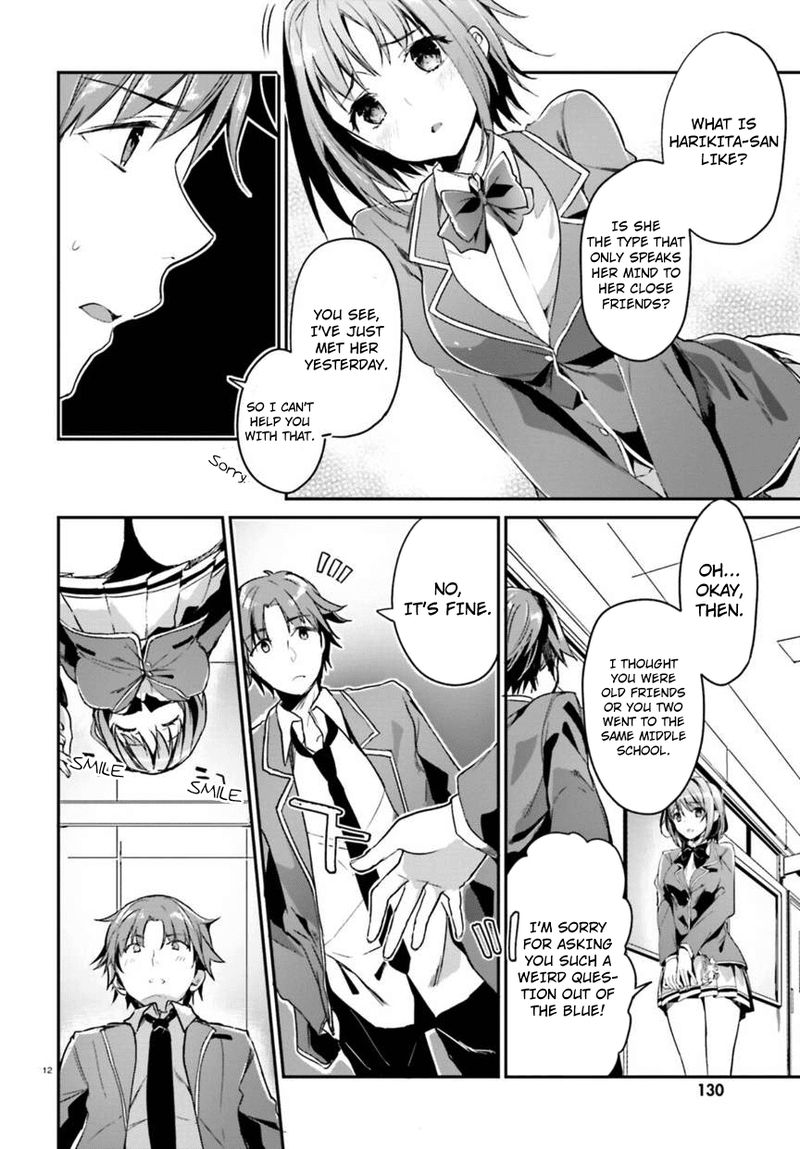
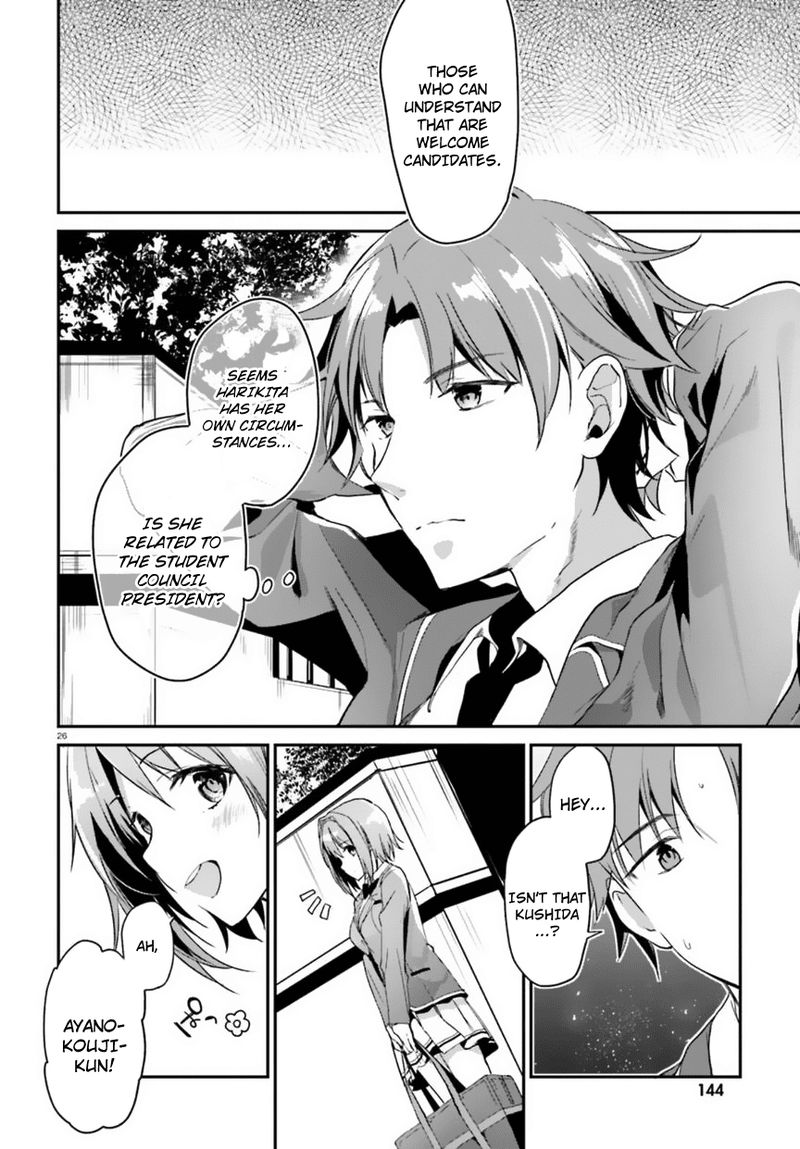
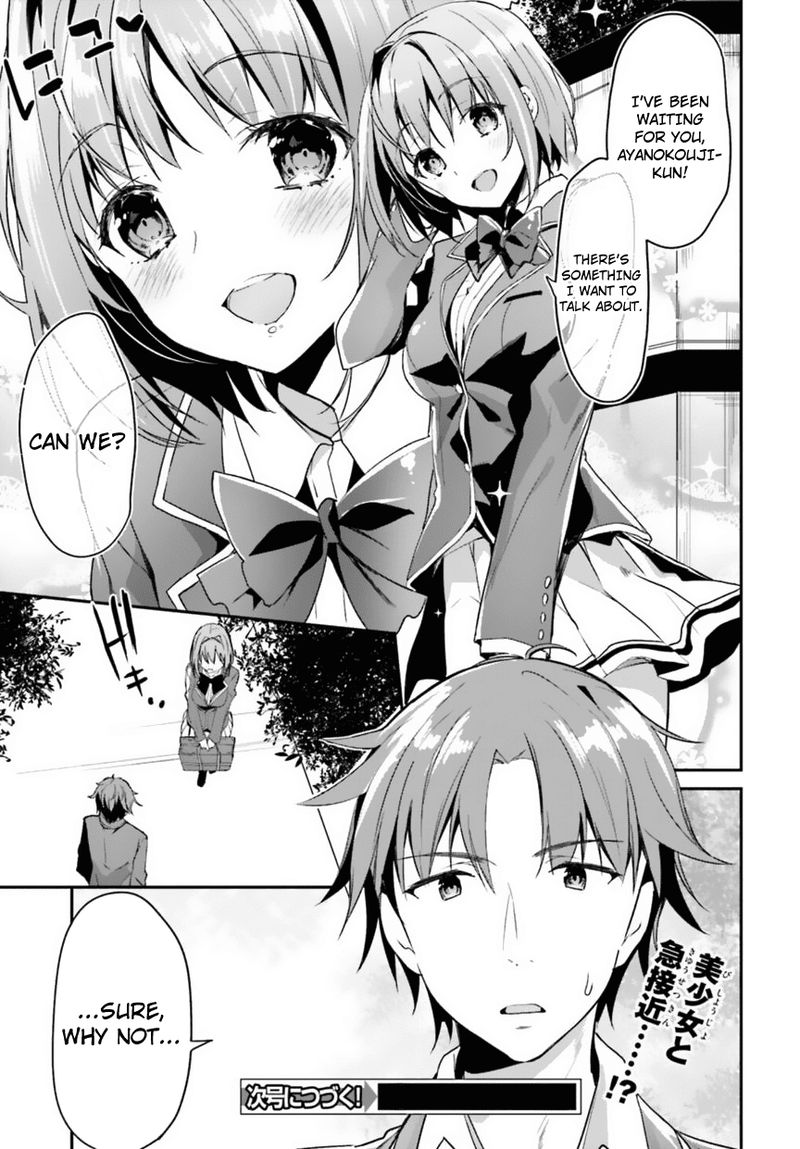
Her words resonated with a quiet intensity, and Kiyotaka felt a faint stir of curiosity. He took a seat at the back of the room, his eyes scanning the faces around him. Most of the students seemed nervous, their shoulders hunched, their eyes darting between the teacher and the exit. One girl, however, stood out. She had a bright smile, a cascade of dark hair, and an aura of optimism that seemed at odds with the bleak surroundings. Her name tag read “Kikyo Kushida,” and she waved cheerfully at Kiyotaka as if they were old friends.
“Hey! You’re new, right?” Kikyo called out, her voice bubbling with enthusiasm. “I’m Kikyo! I’m really excited to be here. I know it looks… well, not great, but we can make this place our own. You’ll see, we’ll have fun!”
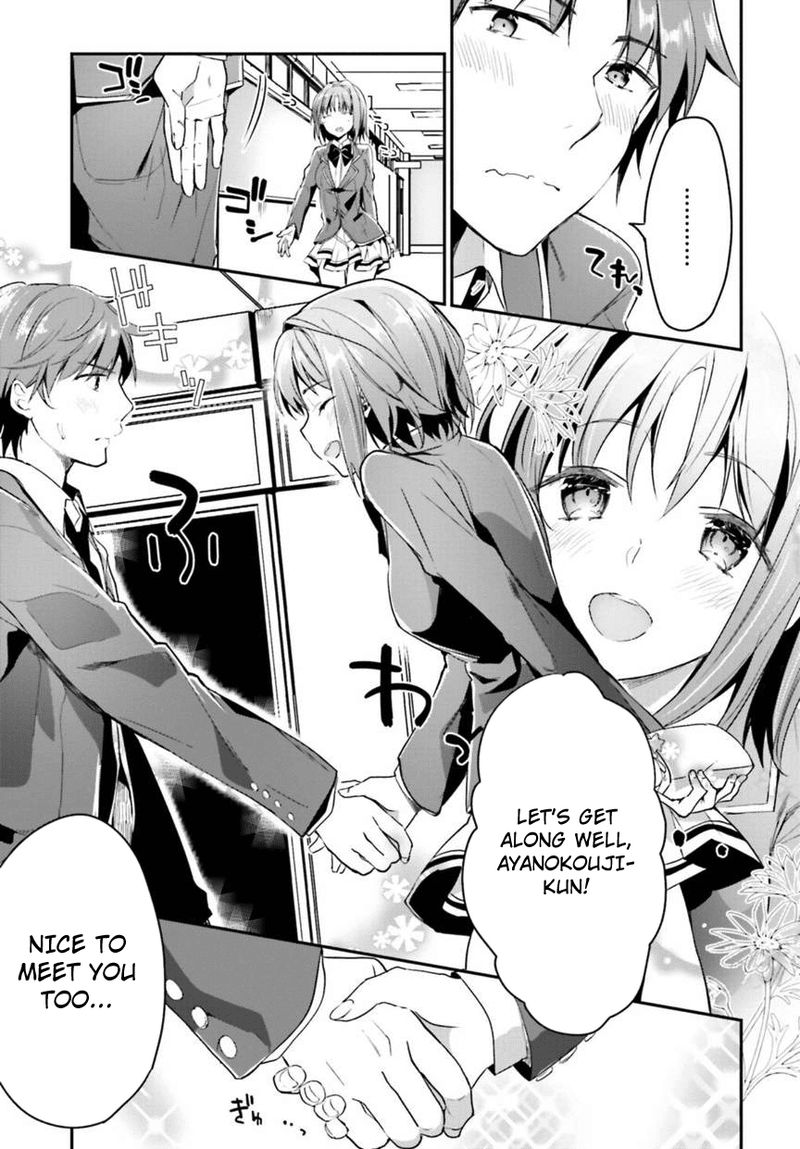
Kiyotaka gave a faint nod, his lips barely moving. He had learned early that overt friendliness could be a weapon, and he preferred to keep his cards close to his chest. Still, Kikyo’s energy was infectious, and for a brief moment, the oppressive weight of Class D seemed to lift.
The first lesson began with a simple yet unsettling exercise. Horikita handed each student a sheet of paper with a single question: “What is your greatest weakness?” The room fell silent as the students stared at the paper, the question hanging like a blade. Some scribbled quickly, others hesitated, their pens hovering over the page.
Kiyotaka stared at the blank space, his mind racing through the countless scenarios he had rehearsed in his past. He could write a lie, a truth, or a half-truth. He could reveal a vulnerability that would make him appear harmless, or he could conceal it entirely. He chose the middle path, writing a single line in neat handwriting: “I tend to overthink simple problems.”
When Horikita collected the papers, she scanned them with a practiced eye, noting the subtle cues each student gave away. She placed the sheets on a table and began to speak. “Understanding our weaknesses is the first step toward mastering the system. It allows us to anticipate how we might be manipulated, how we can protect ourselves, and how we can use our strengths to compensate.”
Kikyo raised her hand, her smile unwavering. “I think it’s great that we’re being honest! It makes us stronger together, right?”
Horikita’s gaze lingered on Kikyo for a moment before she answered. “Honesty is valuable, but we must also be strategic. The system will test us, and we must be prepared to adapt.”
The lesson continued with a series of group activities designed to test cooperation, problem-solving, and the ability to navigate the hidden rules of the academy. The students were divided into small teams, each tasked with building a structure using only the limited supplies provided: a few wooden sticks, a roll of tape, and a single sheet of cardboard. The goal was to create a tower that could support a small weight for at least thirty seconds.
Kiyotaka found himself paired with Horikita, Kikyo, and a quiet boy named Haruki who seemed to blend into the background. As they gathered the materials, Horikita took charge, assigning each member a specific role. “Kikyo, you’ll handle the tape. Haruki, you’ll gather the sticks. Kiyotaka, you’ll design the structure. I’ll oversee the process and ensure we stay within the time limit.”
Kiyotaka’s mind worked like a well-oiled machine. He visualized the physics of balance, the distribution of weight, and the minimal use of resources. He whispered his plan to Horikita, who nodded and relayed it to the group. Kikyo, with her bright demeanor, applied the tape with surprising precision, while Haruki collected the sticks with quiet efficiency.
The tower rose slowly, a precarious assembly of sticks and cardboard held together by thin strips of tape. As the seconds ticked away, tension built in the room. The other groups struggled, their structures wobbling and collapsing under the slightest pressure. When the timer finally buzzed, the judges—two senior students from higher classes—approached to test each tower.
Kiyotaka’s tower held the weight with a steady hum, the cardboard base barely flexing. The judges exchanged glances, impressed. “Class D shows promise,” one of them said, a faint smile playing on his lips. “But remember, this is only the beginning. The real challenges will test not just your intellect, but your will to survive.”
The exercise ended, and the students returned to their seats, breathless and exhilarated. Horikita turned to the class, her eyes sharp. “We have proven that we can work together, even with limited resources. This is the essence of Class D: we must learn to turn scarcity into advantage.”
Kikyo clapped her hands, her smile radiant. “See? We’re already getting better! I can’t wait for the next challenge.”
Kiyotaka observed the dynamics of the room, noting how each student’s behavior revealed a piece of the larger puzzle. He sensed the undercurrents of competition, the subtle alliances forming, and the unspoken fear that the academy’s hidden mechanisms would soon test them in ways they could not yet imagine.
After the lesson, the students were given a brief period to explore the campus. The corridors were lined with posters advertising clubs, extracurricular activities, and the various privileges granted to higher classes. Kiyotaka walked past a bulletin board that displayed a flyer for the “Class D Survival Club,” a group that promised to share strategies for navigating the academy’s harshest conditions. He paused, considering the implications.
In the cafeteria, the students gathered around tables, the clatter of trays and the murmur of conversation filling the air. Horikita sat alone at a corner table, her notebook open, scribbling notes in a precise hand. Kikyo joined her, her laughter bright as she recounted a humorous anecdote about the cafeteria’s mysterious “special” of the day—a dish that seemed to change flavor with each bite.
“Did you hear about the rumors?” Kikyo whispered, leaning in. “People are saying that there’s a secret forum where students discuss the latest chapter of the manga. They talk about the plot details, spoilers, and even where to download the PDF for free. Some even claim there’s an English translation floating around.”
Horikita’s eyes flickered with a hint of curiosity. “Classroom Of The Elite chapter 2 analysis, you mean? It’s only the second chapter, but already the community is dissecting every line. They’re trying to predict the next test, the next twist. It’s… fascinating, in a way.”
Kiyotaka listened, his mind cataloguing the information. The fact that the students were already seeking external resources—online scans, discussion forums, free downloads—indicated a level of meta-awareness that could be both an asset and a liability. He wondered how much of the academy’s design relied on the students’ own curiosity and the information they gathered outside the official curriculum.
Later, as the sun began to set, casting long shadows across the courtyard, the class gathered for a final briefing. Horikita stood before them, her silhouette framed by the fading light. “Tomorrow, we will have our first official test. It will be a written exam covering the basics of mathematics, literature, and social studies. The results will determine our standing within Class D and may affect our future opportunities. I expect each of you to study diligently. Use any resources you have—books, notes, even online scans of the manga if they help you understand the system. Knowledge is power, and in this academy, power is everything.”
Kikyo raised her hand, her eyes shining. “Will there be a chance to talk about the test afterward? Maybe we can share what we learned, like a study group?”
Horikita nodded. “We will debrief after the test. Collaboration will be key. Remember, the academy watches us, but it also watches how we interact. Our behavior is as important as our answers.”
The bell rang, signaling the end of the day. The students filed out of the classroom, each carrying a mixture of anticipation and anxiety. Kiyotaka lingered for a moment, looking at the empty room, the faint echo of footsteps still resonating in the hallway. He felt a subtle shift within himself—a recognition that the game had truly begun, and that the rules were far more complex than any entrance exam could reveal.
That night, in his modest dormitory, Kiyotaka sat at his desk, a single lamp casting a soft glow over his textbooks. He opened a notebook and began to outline a strategy, not just for the upcoming test, but for navigating the entire system. He considered the information he had overheard: the existence of a discussion forum where students dissected each chapter, the ways in which spoilers could be used to anticipate the academy’s moves, the potential advantage of accessing the English translation of the manga to understand the underlying themes.
He wrote, “Identify the hidden variables. Gather external data—online scans, PDF versions, community analysis. Cross-reference with official material. Anticipate the test’s focus based on the narrative’s progression. Use the class’s collective strengths: Horikita’s analytical mind, Kikyo’s optimism and networking, Haruki’s quiet diligence.”
His pen moved steadily, each line a piece of a larger puzzle. He thought about the entrance exam that had placed him in Class D, about the way the academy measured not just knowledge but adaptability. He realized that the true test was not the written exam, but the ability to read between the lines, to understand the motives behind the system’s design, and to manipulate those motives to his advantage.
As he closed his notebook, a soft knock sounded at his door. Kikyo entered, a stack of books in her arms. “I found some old textbooks in the library,” she said, placing them on his desk. “They might help with the math section. And… I also printed out a few pages from the manga scan. It’s not the official version, but it gives some insight into the academy’s philosophy.”
Kiyotaka looked at the pages, the inked panels depicting a classroom much like theirs, the characters navigating a world of hidden rules. He smiled faintly, appreciating the irony. “Thank you, Kikyo. This will be useful.”
She beamed, her optimism undimmed. “We’re all in this together, right? If we share what we know, we’ll all do better.”
Horikita entered the room a moment later, her expression serious. “I’ve compiled a list of key concepts we need to master for tomorrow’s test. I’ll distribute it to the class. We’ll meet after the exam to discuss our answers and see where we stand. Remember, the test is only a stepping stone. The real challenge is understanding why the academy gives us these tests and what it hopes to achieve.”
Kiyotaka nodded, his mind already turning the information over like a chess piece. He thought about the future, about the possibility of moving up to Class C, perhaps even Class B, and the doors that would open. He also thought about the hidden cost of such advancement—the loss of autonomy, the deeper entanglement in the academy’s web.
The night deepened, and the dormitory fell silent except for the occasional rustle of pages. Kiyotaka closed his eyes, allowing his thoughts to drift. He imagined the academy as a massive, living organism, each class a different organ, each student a cell. The entrance exam had been the initial injection of DNA, determining the cell’s type. Now, the cells would multiply, adapt, and perhaps mutate, seeking to survive within the organism’s constraints.
He felt a faint pulse of excitement. The system was designed to test, to break, to reshape. He had been placed in Class D, the lowest tier, but he knew that the most resilient organisms often thrived in the harshest environments. He resolved to observe, to learn, and to act when the moment was right.
The next morning, the sun rose over the academy, casting a golden hue on the courtyard. The students gathered in the examination hall, their faces a mixture of determination and anxiety. The proctor, a stern-looking senior from Class A, handed out the test papers. The first page bore the title: “Classroom Of The Elite Chapter 2 – Written Examination.” Beneath it, the words “Entrance Exam – Class Selection – First Day of School” were printed in elegant script.
Kiyotaka received his paper and turned it over. The questions were straightforward, yet each one seemed to probe deeper than the surface. Mathematics problems required not only calculation but logical reasoning. Literature questions asked for analysis of themes that mirrored the academy’s philosophy. Social studies queries examined the structure of societies, the role of hierarchy, and the impact of resource allocation.
As he worked through the test, Kiyotaka’s mind drifted to the manga panels he had seen the night before. He recalled a scene where a character questioned the purpose of a test, asking whether the true goal was to measure knowledge or to gauge obedience. He realized that the academy’s tests were designed to observe how students responded under pressure,